
Trend vs Timeless: How to Design Furniture That Lasts for Years
Deepak Madnani, DeepGreen Design
May 12, 2026
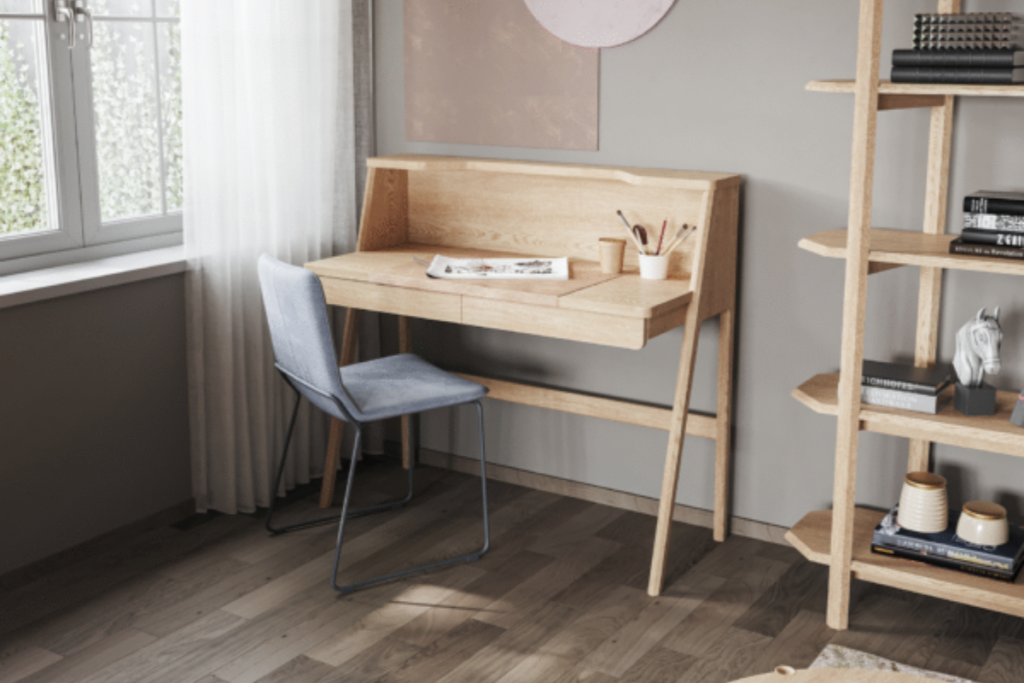
People often get excited by new styles and changing home ideas. Every year, new colours, shapes, and layouts become popular. While some ideas stay relevant for a long time, others disappear quickly. This is why many brands now focus on creating furniture that can remain useful and attractive for years instead of only following short-term demand.
Good furniture design is not only about appearance. It is also about comfort, long-term use, and the ability to fit into different spaces over time. When brands balance creativity with practicality, they create products that people continue using even as lifestyles change.
Many buyers today look for durable furniture because they want products that can handle everyday use without losing their strength or comfort. This has shifted the focus from short-term buying habits to smarter long-term choices.
Understanding the Difference Between Trend and Long-Term Value
Changing furniture trends often influence colours, textures, and product shapes. While trends can help brands attract attention, products designed only around temporary demand may lose appeal after a short period.
This is why many businesses now combine trend awareness with balanced planning. Strong furniture design allows products to remain useful and visually relevant even when market preferences change later.
Some brands also offer custom furniture options that allow buyers to choose finishes, layouts, or materials that better fit their lifestyle. Personal touches often help products stay meaningful for longer periods.
At the same time, wooden furniture continues to remain popular because it fits both modern and traditional interiors. Natural materials often age more gracefully compared to products designed around temporary visual trends.
Why Strong Materials Matter in Long-Term Furniture Design
Long-lasting products depend heavily on material quality. Many buyers now prefer premium furniture because they want products that feel stable and reliable over many years of use.
Good furniture manufacturing also plays a major role in long-term performance. Even strong materials can fail when production processes are inconsistent or rushed. Careful planning during manufacturing helps improve product strength and finish consistency.
Brands that focus on contemporary furniture often balance modern styles with practical layouts. This helps products remain useful even as interior preferences evolve over time.
In many homes, solid wood furniture continues to hold long-term value because of its strength and durability. Proper material selection often reduces the need for frequent replacement and improves customer satisfaction.
Designing Products That Stay Relevant Across Different Lifestyles
Furniture that lasts usually adapts well to changing lifestyles. People move homes, grow families, or change room layouts over time, so flexibility has become very important.
Many brands now use OEM furniture development to improve coordination between design and production. Better planning helps products maintain consistency while supporting long-term market demand.
Buyers also continue choosing designer furniture when it combines visual appeal with everyday practicality. Products that balance style and usability often remain valuable for much longer periods.
Strong quality furniture is also easier to maintain over time. When products are made with stable structures and dependable materials, customers experience fewer problems during daily use.
Important Elements That Help Furniture Last for Years
- Many brands now balance furniture trends with long-term practicality instead of focusing only on short-term popularity. This creates products that continue fitting into homes even after design preferences change. Buyers often appreciate furniture that works across different room styles and lifestyles. A balanced approach also reduces the pressure to replace products too frequently. Brands that think long term often build stronger customer trust because their collections continue to feel useful year after year.
- Good, durable furniture depends on more than appearance alone. The strength of materials, the stability of structure, and careful production planning all affect long-term performance. Products designed for daily use in mind usually maintain their comfort and reliability for longer periods. Many businesses now avoid overcomplicated designs because simpler forms often age better visually and functionally. This helps products remain practical across changing interior styles.
- Well-planned custom furniture allows buyers to create products that better suit their personal spaces and routines. Personalisation often helps furniture stay relevant because people feel more connected to products designed around their needs. Many companies also continue producing wooden furniture because natural materials work well in both modern and traditional interiors. Products that combine flexibility with natural finishes often maintain a stronger long-term appeal in different types of homes.
- Reliable furniture manufacturing is one of the biggest reasons why some products last much longer than others. Stable production systems help maintain consistent quality across large collections and repeated orders. Brands that focus on premium furniture often pay closer attention to finishing, structure, and long-term usability. This careful approach improves customer confidence and supports a stronger product reputation over time. Better production discipline also reduces avoidable product problems later.
How DeepGreen Design Supports Long-Lasting Furniture Development
As brands grow, maintaining consistent quality across different suppliers and production teams often becomes more difficult. Delays, changing finishes, and weak coordination can affect long-term product performance. DeepGreen Design helps brands reduce these challenges by creating a more connected development and production process.
DeepGreen supports businesses through four strong pillars that help brands create products designed for long-term market relevance and stable production quality.
White-Label Collections
DeepGreen offers more than 30 retail-ready collections that are already aligned with production requirements. These collections help businesses launch faster while maintaining stronger consistency across different product categories. Brands can reduce development pressure while preparing collections that remain commercially practical for long-term growth.
Design and OEM Studio
With more than 15 years of experience, DeepGreen’s studio helps brands refine ideas into production-ready collections. Whether businesses start with rough concepts or prepared layouts, the team helps organize development through one connected process.
This approach also supports contemporary furniture collections that combine strong visual direction with practical long-term usability. If businesses already have concepts ready, DeepGreen can support OEM furniture development while following the same standards for finish, safety, and production consistency.
Manufacturing+ Supplier Network
Managing separate factories independently often creates communication gaps and unstable results. DeepGreen simplifies this through its Manufacturing+ Supplier Network, where brands work through one organized system for supplier coordination and production management.
This structure supports better consistency across solid wood furniture collections and other product categories by improving communication between development teams and manufacturing partners.
DeepGreen Standard
The DeepGreen Standard covers every stage of production, from reviews and prototyping to inspections and compliance checks. This structured process helps brands maintain quality across growing product lines while reducing many of the risks connected to large-scale expansion.
The system also supports quality furniture production by helping businesses maintain stable finishing and reliable long-term product performance.
Conclusion
Furniture that lasts for years is built through balanced thinking, careful material selection, and strong production planning. While trends may change quickly, products designed with long-term value often continue serving customers far beyond temporary market shifts. Brands that combine flexibility, practicality, and stable production systems create collections that remain useful and trusted over time.
Browse the DeepGreen Design Furniture Catalogue to view retail-ready collections created for long-term market success and reliable production support.
Contact DeepGreen Design to learn how your brand can build stronger collections with organized development and dependable manufacturing coordination.
FAQs
Q1. Why is long-lasting furniture important?
A1. It reduces replacement costs and gives customers products that remain useful for many years.
Q2. How can brands balance trends with long-term design?
A2. Brands can combine modern ideas with practical layouts and stable materials that age well over time.
Q3. Why do buyers still prefer wooden furniture?
A3. Wooden products often provide better durability and work well across different interior styles.
Q4. What makes modular furniture popular today?
A4. Modular furniture gives people more flexibility to adjust layouts as their needs change over time.
Q5. How does production quality affect furniture lifespan?
A5. Strong production systems improve consistency, reduce defects, and help products perform better long term.
Let's collaborate on your next product line.
Tell us what you have in mind and we'll make it happen.