
Why Buyers Compare Furniture Brands Before Purchasing
Deepak Madnani, DeepGreen Design
Aug 28, 2026
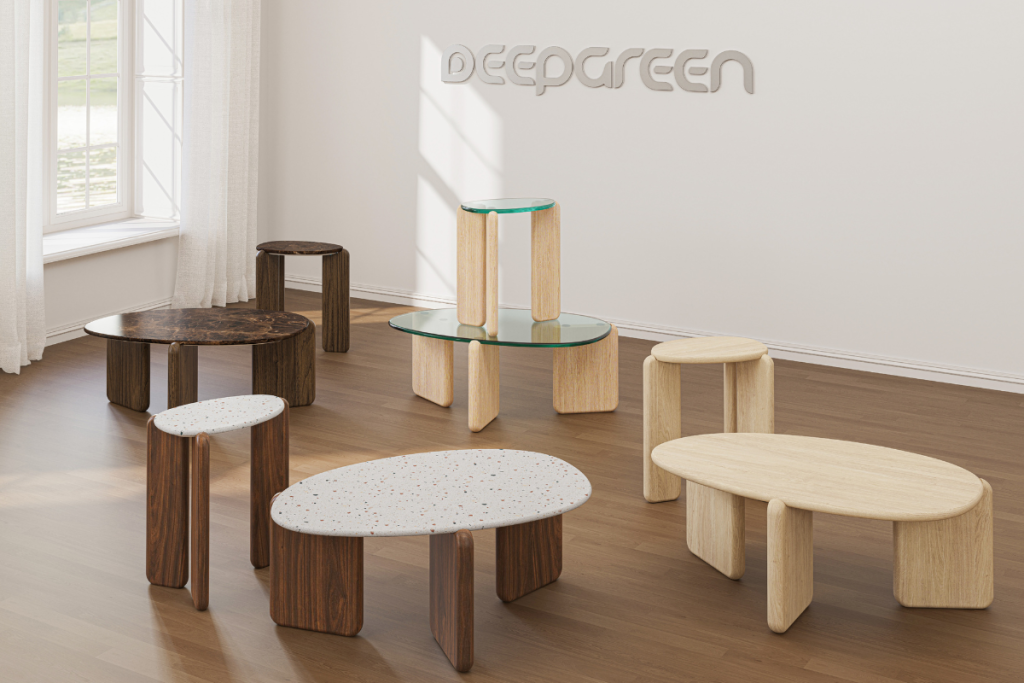
Furniture purchase is mostly a strategic decision for individuals. People need items that suit their needs and preferences, whether furnishing their homes, offices, hotels, restaurants, or retail outlets. That is why people will not immediately buy from the first brand they encounter, but will take some time comparing various options available.
In this modern world, people have many sources of information. As such, they can research a product, its price, reviews, furniture materials used, and services offered in a few minutes. It means a comparative analysis of furniture is an integral part of the process.
Understanding the reasons for brand comparisons will help improve and position the products relative to others.
The Search for Better Quality and Value
Comparing products can help determine the quality of their furniture. Customers expect to buy things that look attractive, function effectively, and last a long time.
Most buyers realize that not all products are manufactured using identical processes. As a result, this may affect various aspects, such as the choice of material, the manufacturing process, and the final finish. That is why it is necessary to compare the products before purchasing any.
With careful comparison of furniture, customers can assess the products' real worth. As a result, they will take into account the product's construction rather than its appearance alone.
Why Design Plays a Major Role in Buying Decisions
Products can often evoke emotional reactions in people. The design, form, and appearance of the item can affect people’s attitudes towards the space.
That is why product design has become one of the most crucial criteria when choosing between brands today. Some clients need functional items, whereas others seek unique and extravagant designs to emphasize their taste.
Another reason behind the increasing competition is the growing popularity of modern furniture. People demand products that suit their lifestyle and are durable enough to last for many years.
In addition, many consumers require high-quality, luxurious furniture for specific features, such as unusual elements, durable materials, or a premium shopping experience.
Materials Matter More Than Many Brands Realize
The choice of materials in furniture usually becomes an essential part of purchase decisions. Materials used in making products influence their comfort, visual perception, usability, and longevity.
When comparing different brands, customers often ask about the types of wood, fabrics, metals, and finishing technologies used. It helps them to be sure that the products will demonstrate their full performance in everyday life.
The best longevity of furniture can be ensured by selecting suitable materials for its production. Consumers understand that using quality materials helps produce goods that last longer.
This focus on materials used in furniture production is driven by consumer awareness of product characteristics.
Pricing Is About More Than Just Cost
Many consumers believe that comparisons between brands are made only on price. Although prices matter, there are other considerations.
Furniture prices can be compared alongside quality, materials used, design, and customer service. Even low prices do not necessarily make a deal good if the furniture does not meet consumer needs.
Successful furniture brands always justify their prices based on the value they offer their clients. Consumers like it when companies tell them what they pay for.
A well-structured strategy for pricing furniture ensures consumers make the right choice rather than just opting for cheaper pieces.
Different Buyers Have Different Needs
Not all buyers will be there for the same reason. Some may be interested in buying furniture for their homes, while others might want to buy office, hotel, restaurant, or other commercial furniture.
Contract furniture suppliers can expect to undergo an evaluation process, as their clients need to find products suitable for their specific projects.
A wholesaler retailer will consider production capacity, dependability, and delivery reliability, while an OEM manufacturer will prefer support for development and manufacture.
Since all buyers’ priorities differ, a business needs to understand the target market’s needs.
How DeepGreen Design Helps Furniture Brands Build Buyer Confidence
As brands expand, staying consistent gets increasingly difficult. Dealing with several factories and suppliers, as well as manufacturing processes, could cause problems. DeepGreen Design offers furniture companies a way to simplify with a system that helps them grow.
The benefit of DeepGreen Design enables brands to develop higher levels of purchasing confidence because it brings together all aspects, like supplier coordination, product design, and manufacturing process management, into one cohesive strategy. As a result, this enables brands to focus on growing their businesses.
White Label Collections
DeepGreen Design offers more than 30 collections that can be easily launched as retail-ready or manufacturing-ready, helping brands bring new products to market quickly. Ready-to-launch furniture collections can help save time while ensuring commercial viability.
The pre-prepared nature of these collections allows brands to add to their catalogues easily.
Design and OEM Studio
With over 15 years of experience, DeepGreen's Design and OEM Studio supports brands from concept development through production. Whether a company has a complete idea or an early direction, the team helps guide the process using structured systems and proven experience.
If brands need OEM furniture solutions, this methodology ensures the process moves smoothly from development to production.
Manufacturing+ Supplier Network
Having many suppliers might lead to communication and manufacturing issues. DeepGreen's Manufacturing+ Supplier Network enables brands to build trusted connections with just one supplier.
Using the network makes furniture procurement much easier, as coordination becomes more efficient for each item or material used in the manufacturing process. The whole process is made easier and less stressful for manufacturers.
DeepGreen Standard
DeepGreen Standard takes into consideration all phases of the product development cycle, from reviews and testing to prototypes and quality control.
Such an approach makes it possible to minimize production risks and obtain stable results. Brands can protect their reputation as they grow through such processes and standards.
Trust and Reputation Influence Purchasing Decisions
Consumers often compare products to reassure themselves about their purchases.
Furniture companies that know the value of building good relationships with their customers recognize the importance of consistency in quality, communication, and dependability.
Brands that invest in a high-quality production process for their furniture products have a better chance of being chosen and retained.
In times of increased competitiveness, reputation is always a strong card to play.
Why Comparison Helps Buyers Make Better Decisions
Product comparison is quite inevitable when shopping for goods and services. Consumers want assurance that the products they select align with their preferences. When buying retail or contract furniture, as well as products for their own needs, consumers consider various factors to ensure they get the best.
The factors involved in such assessment processes help businesses strengthen their positions with consumers.
Conclusion
Furniture brands are compared based on their relevance to making a good purchase. The buyers are looking for items that match the brand description in every way.
The more competitive the furniture market becomes, the more companies will have to ensure they offer brands that demonstrate honesty, consistency, and confidence. This way, they will create good prospects for themselves.
Check out the Furniture Catalogue for ready-to-retail ranges, OEM product development services, and production-ready designs that will enable you to grow your business.
Get in touch with DeepGreen Design now to find out how our White Label Collections, Design & OEM Studio, Manufacturing+ Supplier Network, and DeepGreen Standard can help you build your brand.
FAQs
Q1. Why should the buyer consider other brands of furniture before making a purchase?
A1. The buyer compares other brands to see which one provides quality, good prices, good looks, strength, and good value for money.
Q2. Which element is the most significant in comparing furniture brands?
A2. Again, it all depends on the buyer, although quality, material, pricing, and reliability are among the factors considered.
Q3. What impact does furniture durability have on purchase decisions?
A3. If furniture is sturdy and long-lasting, people feel they are making a smart choice and will get more use out of it over the years.
Q4. Why are furniture materials important when comparing brands?
A4. The materials tell us how strong the furniture is, how it looks, what kind of care it needs, and how long it will last.
Q5. How can furniture brands build more buyer confidence?
A5. Brands can earn people's trust by consistently delivering high-quality products, communicating clearly, providing good service, and ensuring their products are well-made.
Let's collaborate on your next product line.
Tell us what you have in mind and we'll make it happen.