
Why Some Furniture Collections Sell for 5 Years While Others Fail in 6 Months
Deepak Madnani, DeepGreen Design
Sept 14, 2026
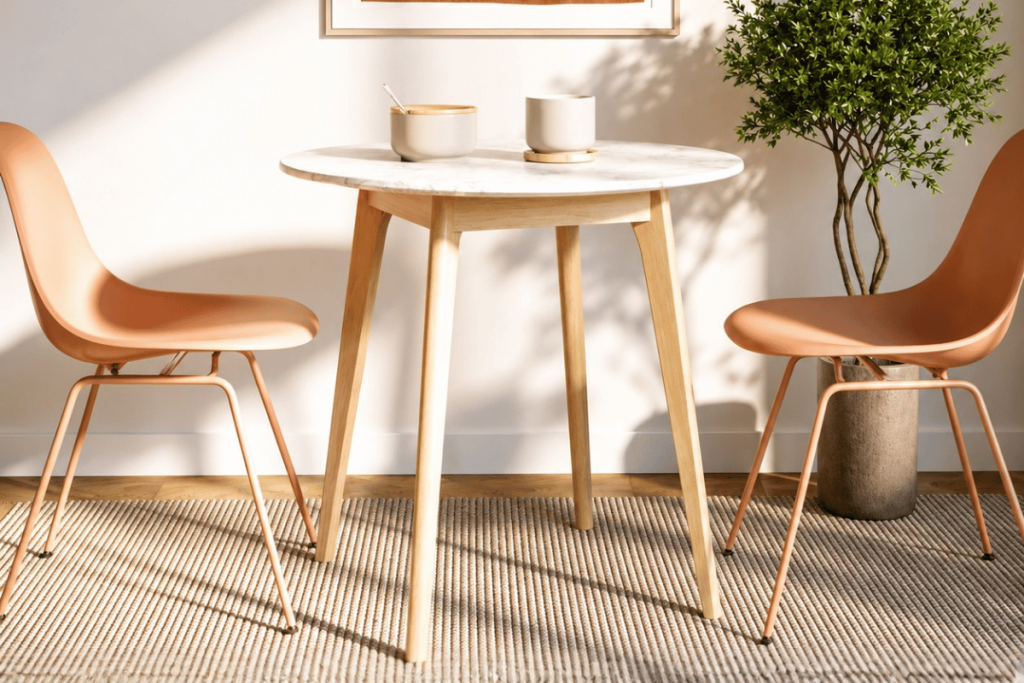
Furniture brands invest significant time, effort, and resources into developing new collections. Yet the reality is that while some collections continue generating sales for five years or more, others struggle to survive beyond six months.
This raises an important question: what separates a long-term winner from a short-lived launch?
The answer is rarely luck. Successful collections are usually built on a strong furniture collection strategy, disciplined furniture product development, and a deep understanding of furniture retail trends. Collections that fail often focus too heavily on short-term trends without considering commercial viability, customer demand, and long-term relevance.
For furniture brands, retailers, and product developers, understanding this difference is critical. A successful collection can become a core revenue driver for years, while an unsuccessful launch can consume resources without delivering meaningful returns.
Why Furniture Collection Planning Matters
Many brands approach product launches by focusing on individual pieces rather than viewing the collection as a complete commercial strategy.
However, consumers rarely buy furniture as isolated products. They buy into a style, a lifestyle, or a complete design story. This is why furniture collection planning is often more important than designing a single great product.
A strong collection creates consistency across product categories. Coffee tables, dining tables, sideboards, shelving units, and occasional furniture all work together visually and commercially. This encourages larger purchases and strengthens brand identity.
When planning a collection, brands should consider:
- Target customer profile
- Price positioning
- Style longevity
- Material availability
- Manufacturing feasibility
- Retail display requirements
- Future extension opportunities
Collections designed around these factors tend to perform longer because they solve commercial problems rather than simply following design trends.
The Difference Between Trend-Led and Trend-Relevant
One of the biggest mistakes brands make is confusing trend-led products with trend-relevant products.
Trend-led products often follow the latest design movements very closely. They attract attention quickly but can become outdated just as fast.
Trend-relevant products, on the other hand, incorporate modern influences while maintaining timeless appeal. These collections remain desirable even as trends evolve.
Consider styles such as Scandinavian, Japandi, Mid-Century Modern, or Contemporary Urban. While finishes and details may change over time, the core design principles remain relevant year after year.
The most successful furniture collections usually sit at the intersection of trend awareness and long-term usability.
This is why many collections that perform well over five years rarely feel extreme or experimental. Instead, they offer a balanced combination of familiarity and freshness.
Furniture Product Development Is More Than Design
Many people assume successful furniture product development is purely about creating attractive products.
Design is important, but it is only one part of the process.
The best-performing collections are often supported by extensive development work before they ever reach production. This includes material selection, engineering reviews, packaging design, compliance testing, and cost optimization.
A beautiful design that cannot be manufactured consistently or profitably will eventually create problems.
Strong product development focuses on:
- Production efficiency
- Material consistency
- Packaging performance
- Quality control requirements
- Compliance standards
- Commercial pricing targets
When these factors are considered early, collections become easier to scale and more profitable over time.
This is one reason many successful furniture brands invest heavily in development before launching a collection.
Why Commercial Viability Determines Long-Term Success
Design attracts attention, but commercial viability drives repeat orders.
Retailers and buyers ultimately care about sell-through rates, margins, logistics, and customer satisfaction.
A collection that looks beautiful but creates frequent warranty claims or shipping damage will struggle to survive.
Similarly, a collection with excellent design but poor pricing may generate interest without generating meaningful sales.
Long-lasting collections are typically built around a strong commercial foundation.
They offer:
- Consistent quality
- Reliable supply
- Competitive pricing
- Healthy retailer margins
- Strong customer satisfaction
When these elements align, collections continue performing long after their initial launch period.
The Role of Furniture Retail Trends
Furniture retail trends constantly evolve, influenced by consumer lifestyles, housing trends, social media, and global design movements.
However, chasing every trend is rarely a successful strategy.
The strongest brands monitor trends carefully while filtering them through their own product strategy.
Instead of redesigning entire collections every season, successful brands often update:
- Colours
- Finishes
- Materials
- Hardware
- Product extensions
This allows collections to stay relevant without losing their core identity.
Retailers appreciate this approach because it creates continuity while still offering something new to customers.
As a result, collections remain commercially viable for longer periods.
Why Some Collections Scale Better Than Others
Scaling a collection requires more than demand.
It requires operational discipline.
Many collections perform well during small production runs but encounter problems as volumes increase. Material inconsistencies, quality issues, supplier limitations, and logistics challenges often emerge during growth phases.
Collections that survive for years are usually designed with scalability in mind from the beginning.
This means considering:
- Manufacturing capacity
- Supplier stability
- Material sourcing
- Packaging efficiency
- Lead time management
- Quality assurance systems
Brands that ignore these factors often struggle when demand increases.
The result is that a promising collection may fail not because customers dislike it, but because the supply chain cannot support growth.
How DeepGreen Design Helps Furniture Brands Build Collections That Last
As furniture brands grow, managing suppliers, quality checks, production, and compliance requirements becomes increasingly complex. DeepGreen Design was built to simplify this process and help brands scale confidently.
Rather than treating design, development, sourcing, and manufacturing as separate activities, DeepGreen combines them into one structured system.
White Label Collections
DeepGreen offers more than 30 retail-ready and manufacturing-ready collections that help brands launch products faster. These collections are designed with commercial viability in mind, allowing brands to enter the market without lengthy development cycles.
Design and OEM Studio
With over 15 years of experience working alongside global retailers and brands, DeepGreen supports furniture product development from concept through production. Whether a brand has a rough idea, a completed design, or an existing product requiring refinement, the Design and OEM Studio provides the expertise needed to move efficiently from development to launch.
Manufacturing+ Supplier Network
Managing multiple factories and suppliers can create unnecessary complexity. DeepGreen's Manufacturing+ Supplier Network provides access to trusted production partners, diverse material capabilities, and scalable manufacturing solutions through a single point of contact.
This simplifies communication, reduces risk, and improves consistency across collections.
DeepGreen Standard
The DeepGreen Standard covers every stage of the product lifecycle, including design reviews, engineering validation, prototyping, testing, quality control, and compliance management.
This disciplined approach helps brands maintain consistency as collections grow and scale across multiple markets.
Long-Term Collections Are Built, Not Discovered
Many brands hope to create a bestseller.
The reality is that bestselling collections rarely happen by accident.
Long-term success is usually the result of careful planning, disciplined development, commercial thinking, and operational excellence.
Collections that survive for five years or more typically solve multiple challenges simultaneously. They appeal to consumers, support retailer margins, remain relevant as trends evolve, and can be manufactured consistently at scale.
Brands that understand this tend to make better decisions about product development and collection planning.
Conclusion
The difference between a collection that lasts five years and one that disappears in six months is rarely design alone.
Successful collections are supported by strong furniture collection strategy, thoughtful furniture product development, disciplined furniture collection planning, and a clear understanding of furniture retail trends.
When brands balance creativity with commercial thinking, they create products that remain relevant, profitable, and scalable for years.
Explore the DeepGreen Design catalogue to discover retail-ready collections, OEM development services, and scalable manufacturing solutions designed to support long-term growth.
Contact DeepGreen Design today to learn how our White Label Collections, Design & OEM Studio, Manufacturing+ Supplier Network, and DeepGreen Standard can help you build collections that stand the test of time.
FAQs
Q1. Why do some furniture collections last longer than others?
A1. Long-lasting collections combine strong design, commercial viability, scalable manufacturing, and ongoing relevance to customer needs and market trends.
Q2. What is furniture collection strategy?
A2. Furniture collection strategy is the process of planning products, pricing, design direction, customer targeting, and growth opportunities within a coordinated collection.
Q3. Why is furniture product development important?
A3. Product development ensures designs can be manufactured efficiently, meet quality standards, achieve target pricing, and perform successfully in the market.
Q4. How often should furniture collections be updated?
A4. Most successful collections evolve gradually through new finishes, materials, or extensions rather than complete redesigns every year.
Q5. What role do furniture retail trends play in collection success?
A5. Retail trends help brands understand changing customer preferences, but successful collections balance trend awareness with long-term commercial relevance.
Let's collaborate on your next product line.
Tell us what you have in mind and we'll make it happen.