
What Makes a Furniture Product Retail Ready?
Deepak Madnani, DeepGreen Design
Sept 24, 2026
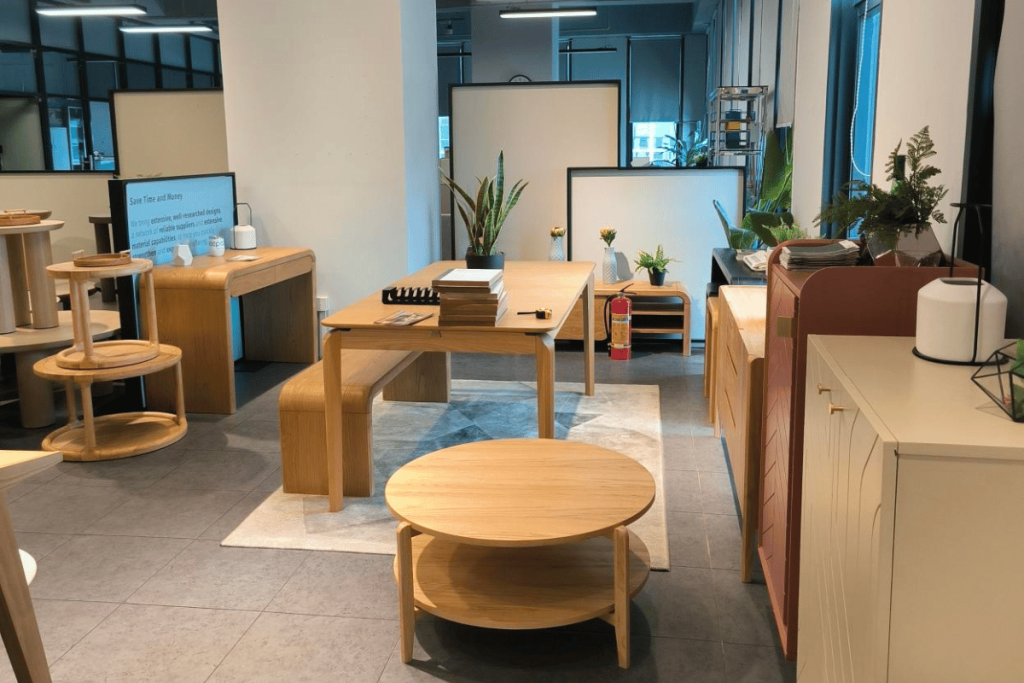
Many furniture products look good in a showroom.
Far fewer perform successfully in the real world.
A product can have an attractive design, follow current trends, and even receive positive feedback during development. Yet when it reaches retail, problems often emerge. Quality issues appear, packaging fails during shipping, compliance requirements are missed, margins become difficult to maintain, or customers simply do not connect with the product.
This is why experienced furniture brands understand that creating a successful product involves much more than design.
A truly retail-ready product is one that has been developed, tested, engineered, and prepared for commercial success.
Understanding what makes furniture retail ready can help brands reduce risk, launch products faster, and create collections that perform consistently in the market.
Retail Ready Means More Than Looking Good
Many businesses assume that once a product design is complete, it is ready for sale.
In reality, design is only one stage of a much larger process.
A retail-ready furniture product must be prepared to perform across every stage of the supply chain, from manufacturing and packaging to logistics, retail display, customer use, and after-sales support.
The best-performing products combine attractive design with strong commercial execution.
This means the product not only appeals to customers but can also be manufactured consistently, shipped safely, and sold profitably.
Without these foundations, even the most beautiful designs can struggle in the market.
Product Development Determines Long-Term Success
One of the biggest differences between successful and unsuccessful furniture collections is the quality of product development.
Furniture product development involves transforming an idea into a commercially viable product.
During development, designers and engineers evaluate factors such as:
- Construction methods
- Material selection
- Cost targets
- Manufacturing feasibility
- Product durability
- Packaging requirements
- Compliance standards
The goal is to ensure the product performs effectively throughout its lifecycle.
When product development is rushed or incomplete, brands often encounter unexpected issues after launch.
Strong development processes help eliminate these risks before production begins.
Design Must Balance Creativity and Commercial Reality
Innovative design can attract attention, but commercial success requires balance.
A furniture product must fit the needs of its target market while remaining commercially viable.
This means considering:
- Consumer preferences
- Price positioning
- Material costs
- Retail margins
- Manufacturing complexity
- Market trends
Many products fail because they are designed in isolation from commercial realities.
The most successful collections combine strong design with practical business considerations.
This balance allows brands to launch products that are both desirable and profitable.
Quality Assurance Starts Before Production
Many people think quality assurance happens only during factory inspections.
In reality, quality assurance begins much earlier.
A retail-ready product should be designed with quality in mind from the beginning.
This includes reviewing:
- Material specifications
- Construction details
- Manufacturing tolerances
- Finish standards
- Packaging requirements
By addressing these areas early, brands can reduce defects and improve production consistency.
Strong furniture quality assurance systems help ensure that products arriving at retail match the approved samples used during development.
Consistency builds trust with retailers and consumers alike.
Packaging Is Part of the Product
One of the most overlooked aspects of retail readiness is packaging.
Even a well-made product can fail if it arrives damaged.
Furniture packaging must protect products throughout international transportation, warehousing, retail handling, and final delivery.
A retail-ready product should undergo packaging reviews and testing to ensure it can withstand the demands of the supply chain.
Brands that invest in packaging engineering often experience:
- Lower damage rates
- Fewer customer complaints
- Reduced after-sales costs
- Improved customer satisfaction
Packaging is not simply an operational requirement.
It is an important part of the customer experience.
Compliance Requirements Cannot Be Ignored
Furniture brands today operate in increasingly regulated markets.
Different regions may require products to meet specific standards related to safety, materials, environmental requirements, and testing.
A product may appear ready for market but still face delays if compliance requirements have not been properly addressed.
Retail-ready products typically undergo reviews covering:
- Product testing requirements
- Material compliance
- Market-specific regulations
- Documentation standards
- Safety certifications
Meeting these requirements early helps brands avoid disruptions later in the process.
Manufacturing Readiness Is Essential
A prototype and a production product are not the same thing.
Many products perform well as samples but become difficult to manufacture consistently at scale.
A retail-ready product must be production-ready.
This means manufacturers should have:
- Approved specifications
- Established production methods
- Reliable material sourcing
- Quality checkpoints
- Defined packaging procedures
Manufacturing readiness helps ensure that every production run meets the same standards.
Consistency is critical for growing furniture brands.
Why Retail-Ready Products Scale More Successfully
As brands grow, product complexity increases.
Managing multiple suppliers, materials, and production schedules can become challenging.
Products that are properly developed and prepared tend to scale much more effectively.
Retail-ready products typically experience:
- Faster launches
- Better quality consistency
- Lower after-sales issues
- Improved customer satisfaction
- Greater supply chain reliability
These advantages become increasingly important as order volumes grow.
The strongest furniture brands build collections that are designed not only to launch successfully but also to scale successfully.
How DeepGreen Design Helps Brands Launch Retail-Ready Products
As furniture brands grow, managing suppliers, quality checks, and production while adhering to rules can become harder. DeepGreen Design was made to make this easier and help brands grow confidently.
DeepGreen gives everything needed to help brands expand through one simple system.
White Label Collections
DeepGreen offers more than 30 retail-ready and manufacturing-ready collections that help brands launch products quickly without lengthy development cycles.
These collections are designed with commercial performance, manufacturing efficiency, and retail success in mind.
Design and OEM Studio
With more than 15 years of experience supporting global furniture brands, DeepGreen's Design and OEM Studio helps transform concepts into market-ready products.
Whether developing entirely new products or refining existing ideas, the same disciplined process is applied to every project.
This ensures products are engineered for both commercial success and manufacturing reliability.
Manufacturing+ Supplier Network
DeepGreen's Manufacturing+ Supplier Network provides brands with access to trusted suppliers, diverse capabilities, and secured production capacity through one coordinated system.
This simplifies sourcing while improving manufacturing consistency.
DeepGreen Standard
The DeepGreen Standard governs every stage of development and production.
From design reviews and prototyping to quality inspections, testing, compliance verification, and packaging validation, the process is designed to reduce risk and improve long-term product performance.
This helps brands maintain consistent quality as they scale.
Retail Readiness Creates Competitive Advantage
Furniture markets continue to become more competitive.
Customers have more choices than ever before.
Retailers expect products that not only look attractive but also perform reliably.
Brands that consistently launch retail-ready products often gain significant advantages over competitors.
They experience fewer disruptions, stronger customer satisfaction, and more predictable growth.
Retail readiness is not a single activity.
It is the result of disciplined product development, quality assurance, compliance management, packaging engineering, and manufacturing preparation working together.
Conclusion
A retail-ready furniture product is far more than a finished design.
It is a product that has been carefully developed, engineered, tested, packaged, and prepared for commercial success.
From product development and quality assurance to compliance, packaging, and manufacturing readiness, every stage contributes to a product's ability to succeed in the market.
The brands that invest in these foundations are often the ones that achieve stronger launches, lower risk, and long-term growth.
Explore the Furniture Catalogue to discover retail-ready collections, OEM development programs, and manufacturing-ready designs created to support growing furniture brands.
Contact DeepGreen Design today to learn how our White Label Collections, Design & OEM Studio, Manufacturing+ Supplier Network, and DeepGreen Standard can help you launch products with confidence.
FAQs
Q1. What does retail-ready furniture mean?
A1. Retail-ready furniture refers to products that have been fully developed, tested, manufactured, packaged, and prepared for successful commercial sale.
Q2. Why is product development important in furniture manufacturing?
A2. Product development helps ensure designs are commercially viable, manufacturable, durable, and aligned with market requirements before production begins.
Q3. How does quality assurance improve retail readiness?
A3. Quality assurance helps maintain product consistency, reduce defects, improve customer satisfaction, and protect brand reputation.
Q4. Why is packaging important for furniture products?
A4. Proper packaging protects products during transportation and delivery, reducing damage rates and improving the customer experience.
Q5. What role does compliance play in furniture product launches?
A5. Compliance ensures products meet required safety, environmental, and regulatory standards, helping brands avoid delays and market-entry challenges.
Let's collaborate on your next product line.
Tell us what you have in mind and we'll make it happen.