
Furniture Materials Guide: Glass, Ceramic, Wood & Metal
Deepak Madnani, DeepGreen Design
Oct 03, 2026
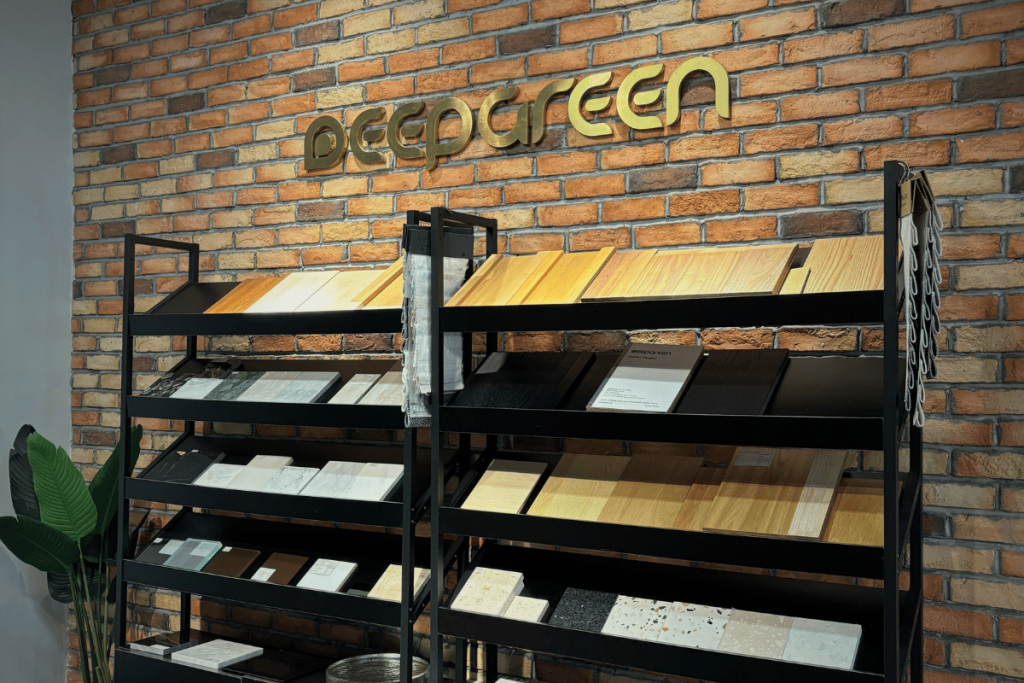
When developing or sourcing a furniture collection, material selection is one of the most important decisions a buyer makes. It influences how a product looks, how it performs, where it fits within the market and how customers perceive its value.
A dining table with a ceramic top communicates something very different from one made with solid wood. A glass coffee table creates a different visual experience from a metal and wood combination. Even when two furniture pieces serve the same purpose, their materials can position them in completely different categories.
For furniture retailers, wholesalers and brands, choosing materials is therefore about much more than appearance. Buyers need to consider durability, maintenance, manufacturing requirements, target customers, price positioning and how different materials work together.
Understanding these factors can help businesses make more informed product-development decisions and build collections that meet both customer expectations and commercial objectives.
In this guide, we explore five important material categories used in furniture manufacturing: glass, ceramic, wood, metal and mixed materials.
1. Glass: Creating a Clean and Contemporary Look
Glass remains a popular choice in contemporary furniture, particularly for dining tables, coffee tables, side tables and display furniture.
Its biggest visual advantage is its ability to create a sense of openness. Because it allows light to pass through, glass can make furniture feel less visually heavy, which is particularly useful in modern interiors and smaller living spaces.
However, not all glass furniture is the same. Buyers need to consider the type of glass, thickness, edge finishing, support structure and how the glass is connected to the rest of the product.
Tempered glass is commonly used in furniture applications where safety and strength are important considerations. Its performance depends on appropriate specifications, processing and application.
Another interesting area is bent glass furniture. Curved glass can create distinctive silhouettes for coffee tables, consoles and occasional furniture. However, achieving the intended shape requires suitable processing capabilities and careful attention to the design and supporting structure.
Glass can also be combined with wood or metal to create more visually balanced products. For example, a glass tabletop paired with a metal base can create a lighter, contemporary aesthetic.
What furniture buyers should consider:
- Glass thickness and suitability for the intended application.
- Edge finishing and overall workmanship.
- Stability and support beneath the glass.
- Safe handling, packaging and transportation.
- How glass complements the other materials in the design.
Glass can be an excellent choice for brands looking to introduce contemporary designs, but the technical details behind the finished product should never be overlooked.
2. Ceramic: A Distinctive Surface With Strong Design Potential
Ceramic has become an increasingly interesting material in furniture design, particularly for dining tables, coffee tables and occasional furniture.
One reason for its appeal is the variety of visual finishes available. Ceramic surfaces can replicate the appearance of natural stone, marble and other decorative patterns, allowing designers to introduce premium-looking finishes into different furniture categories.
From a product-positioning perspective, ceramic can help furniture brands create a more distinctive appearance compared with conventional tabletop materials.
It also offers practical surface characteristics. Depending on the ceramic composition and finish, ceramic surfaces can provide good resistance to scratching, heat and staining. However, performance varies by product specification, and buyers should confirm the relevant manufacturer test results rather than assuming all ceramic surfaces perform identically.
The construction beneath the surface is equally important. Ceramic tops need appropriate support, substrate arrangements and edge protection. Their weight and potential sensitivity to impact also need to be considered during design, handling and transportation.
For buyers, the material itself is only one part of the decision. The complete tabletop construction determines how suitable the product will be for its intended use.
What furniture buyers should consider:
- Ceramic composition, thickness and surface finish.
- Support structure and substrate construction.
- Edge protection and impact considerations.
- Weight and packaging requirements.
- Consistency of colour and surface patterns.
Ceramic can be particularly useful for brands developing contemporary dining collections where surface appearance plays a major role in customer appeal.
3. Wood: A Material With Lasting Design Appeal
Wood remains one of the most established materials in furniture manufacturing. Its natural appearance, versatility and ability to work across different design styles make it relevant to both traditional and contemporary collections.
However, wood is not a single material category. Solid wood, engineered wood and veneered surfaces all offer different characteristics, manufacturing requirements and price considerations.
Solid wood is often valued for its natural grain, character and material authenticity. Different wood species provide different colours, textures, grain patterns and physical properties.
Engineered wood products, such as MDF and particleboard, are commonly used in furniture construction because they provide a more controlled substrate for particular applications. They can also support different surface treatments and finishes.
Veneer offers another approach. It uses a thin layer of natural wood applied to a suitable substrate, allowing manufacturers to achieve the appearance of natural timber while using material more efficiently.
Each option serves a different purpose. The right choice depends on the product's intended positioning, construction, design requirements and target manufacturing cost.
Buyers should also understand that wood is a natural material. Variations in grain, colour and texture are part of its character. Changes in environmental conditions can also influence its behaviour, making appropriate material selection, moisture management and construction methods important.
What furniture buyers should consider:
- Solid wood versus engineered wood or veneer.
- Wood species and natural appearance.
- Moisture content and environmental conditions.
- Surface finishing and long-term maintenance.
- Grain and colour consistency across production.
Wood offers considerable design flexibility, but selecting the appropriate wood construction is essential to achieving the intended product quality and appearance.
4. Metal: Strength, Structure and Design Flexibility
Metal plays an important role in furniture manufacturing, both as a structural material and as a visible design feature.
It is commonly used in dining table bases, chair frames, shelving, storage furniture, occasional tables and decorative components.
One of its major advantages is its versatility. Metal can be formed into slim profiles, geometric structures, curved elements and more substantial supporting frames. This gives designers considerable freedom when developing different furniture styles.
Steel and aluminium are two commonly used metals, although their properties and applications differ.
Steel is frequently selected for furniture structures where strength and rigidity are important. Aluminium is lighter and can be useful where reducing product weight is a priority.
Finishing also plays an important role in the final appearance. Powder coating, plating and other surface treatments can create different colours, textures and visual effects.
However, buyers should look beyond the finish itself. Metal thickness, welding quality, connection details, surface preparation and corrosion protection all influence the finished product.
A visually attractive metal frame can still encounter problems if its construction is not properly considered.
What furniture buyers should consider:
- Appropriate metal type and thickness.
- Structural design and connection methods.
- Welding and finishing quality.
- Corrosion protection where required.
- Colour and finish consistency across production.
Metal is particularly useful for brands looking to develop furniture with clean structures, contemporary styling or distinctive combinations of materials.
5. Mixed Materials: Creating More Distinctive Furniture Products
Some of the most interesting furniture designs come from combining different materials.
A dining table might feature a ceramic top with a metal base. A coffee table could combine wood and glass. A sideboard may use a wooden structure with metal detailing and glass-fronted sections.
These combinations allow designers to bring together different visual and functional characteristics within one product.
For furniture brands, mixed-material designs can also create opportunities to differentiate their collections. Rather than relying on a single material to define a product, designers can use combinations to establish a more distinctive identity.
However, mixed-material furniture introduces additional development considerations.
Different materials have different weights, expansion characteristics, finishing requirements and manufacturing processes. They also need suitable connection methods to ensure that the complete product performs as intended.
For example, combining glass and metal requires appropriate support and connection arrangements. Combining solid wood with metal requires consideration of how the materials may respond differently to environmental changes.
The challenge is not simply selecting two attractive materials. It is understanding how they will work together throughout manufacturing and everyday use.
What furniture buyers should consider:
- Compatibility between the selected materials.
- Differences in weight and physical behaviour.
- Connection methods and structural support.
- Consistency of finishes and material appearance.
- Manufacturing complexity and packaging requirements.
When developed properly, mixed-material furniture can offer strong design differentiation while creating more opportunities for brands to develop distinctive product ranges.
How to Choose the Right Material for Your Furniture Collection
There is no single material that works best for every furniture product. The right decision depends on the intended customer, product category, design direction and commercial objectives.
Before selecting materials, furniture buyers should consider the following factors.
Understand Your Target Market
Different customers have different expectations. Some may prioritise natural materials and traditional finishes, while others may prefer contemporary surfaces, metal structures or mixed-material designs.
Understanding the intended customer helps narrow down suitable material options.
Consider the Intended Use
A dining table, occasional table and display cabinet experience different types of everyday use. Material selection should reflect the product's function, expected handling and maintenance requirements.
Balance Appearance With Practical Performance
A material may look excellent in a design presentation but may not be the most suitable option for the intended application. Consider its weight, maintenance, construction requirements and expected performance alongside its appearance.
Evaluate Manufacturing Capabilities
Not every manufacturing facility has the same material-processing capabilities. Buyers should understand whether the required glass processing, ceramic application, woodworking, metal fabrication or mixed-material assembly can be carried out consistently.
Consider the Complete Product Cost
Material cost is only one part of the total product cost. Processing, finishing, construction, labour, packaging and transportation can all influence the final commercial outcome.
The best material decision is one that supports the design, meets the intended functional requirements and makes sense for the product's target market.
How DeepGreen Design Helps Brands Launch Retail-Ready Products
As furniture brands grow, selecting the right materials is only one part of a much larger development process. Managing product development, suppliers, manufacturing capabilities, quality checks and compliance requirements can become increasingly complex.
DeepGreen Design brings these capabilities together through one coordinated system, helping brands expand their furniture ranges with greater confidence.
White Label Collections
DeepGreen offers more than 30 retail-ready and manufacturing-ready collections that help brands launch products without lengthy development cycles.
These collections are designed with commercial performance, manufacturing efficiency and retail success in mind. They provide brands with an opportunity to explore established product directions and expand their offerings more efficiently.
Design and OEM Studio
With more than 15 years of experience supporting global furniture brands, DeepGreen's Design and OEM Studio helps transform concepts into market-ready products.
Whether developing entirely new products or refining existing ideas, the same disciplined process is applied to every project.
Material selection, construction methods, product engineering and manufacturing requirements are considered together to help ensure that products are developed for both commercial success and manufacturing reliability.
Manufacturing+ Supplier Network
DeepGreen's Manufacturing+ Supplier Network provides brands with access to trusted suppliers, diverse capabilities and secured production capacity through one coordinated system.
This is particularly valuable when working with different material categories that require specialised manufacturing processes.
By connecting product requirements with suitable manufacturing capabilities, the network helps simplify sourcing while supporting greater manufacturing consistency.
DeepGreen Standard
The DeepGreen Standard governs every stage of development and production.
From design reviews and prototyping to quality inspections, testing, compliance verification and packaging validation, the process is designed to reduce risk and improve long-term product performance.
This helps brands maintain consistent quality as they expand their furniture ranges and work across different product categories and materials.
Conclusion: Material Selection Is a Business Decision, Not Just a Design Choice
Glass, ceramic, wood, metal and mixed materials each bring different possibilities to furniture design. They influence the appearance of a product, its construction, manufacturing requirements and the way customers experience it.
For furniture buyers, the challenge is understanding how these materials fit together with the product's intended purpose and market positioning.
A successful furniture collection is not necessarily built around the most expensive or visually striking materials. It is built around the right material decisions for the products, customers and commercial objectives involved.
When material expertise, product design and manufacturing capabilities come together early in development, brands are better positioned to create furniture that looks right, performs as intended and can be produced consistently.
Ultimately, the best material choice is not simply the one that looks good in a showroom. It is the one that works throughout the product's journey, from development and manufacturing to the customer's home.
Frequently Asked Questions
1. What are the most commonly used materials in furniture manufacturing?
Common furniture materials include solid wood, engineered wood, veneers, glass, ceramic, steel, aluminium and various combinations of these materials. The choice depends on the furniture category, design requirements, target market and manufacturing capabilities.
2. Is ceramic better than glass for dining tables?
Neither material is universally better. Ceramic can offer a distinctive surface appearance and useful resistance characteristics, while glass provides a lighter visual effect and contemporary styling. Buyers should compare specifications, construction, maintenance and intended use before choosing.
3. What is the difference between solid wood and wood veneer?
Solid wood is made from natural timber, while veneer uses a thin layer of natural wood applied to a substrate such as MDF or another engineered wood product. Both can offer attractive wood appearances, but their construction, cost and material characteristics differ.
4. Why is metal commonly used in modern furniture?
Metal offers structural versatility and can be formed into different shapes and profiles. It is commonly used for table bases, chair frames, shelving and decorative components. Its strength, weight and finishing requirements depend on the type of metal and its application.
5. What should furniture buyers consider when selecting mixed materials?
Buyers should consider material compatibility, weight, structural support, connection methods, finishing requirements, manufacturing capabilities and packaging. The materials should work together both visually and technically to create a reliable finished product.
Let's collaborate on your next product line.
Tell us what you have in mind and we'll make it happen.