
How Furniture Brands Protect Margins Without Sacrificing Design
Deepak Madnani, DeepGreen Design
Oct 18, 2026
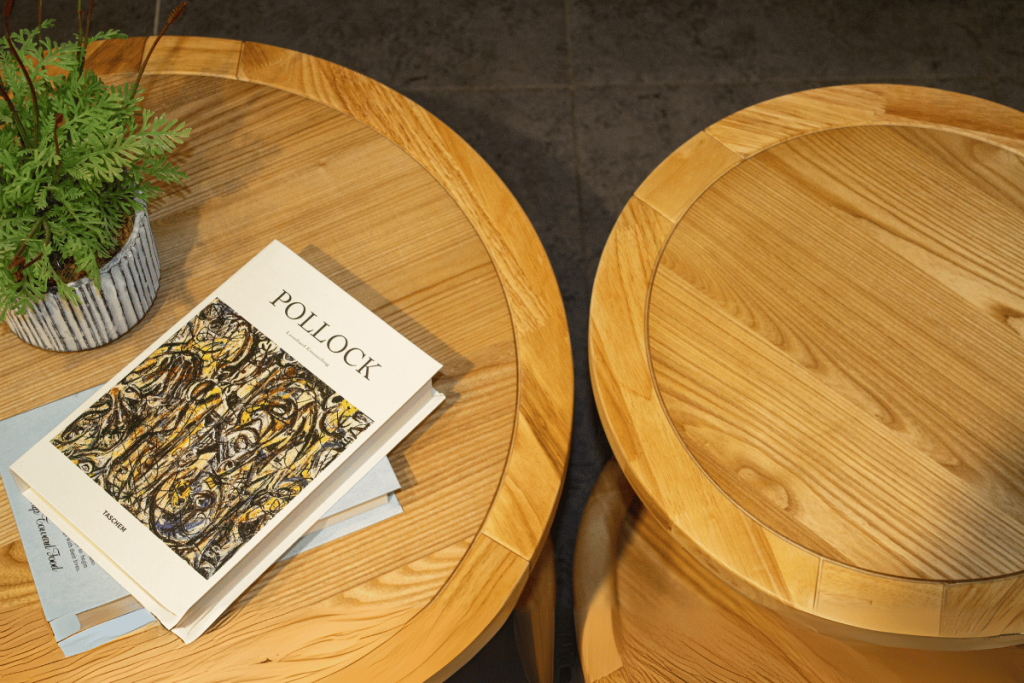
For furniture brands, maintaining healthy profit margins while delivering products customers genuinely want is an ongoing challenge. Material prices fluctuate, manufacturing costs change, transportation expenses add pressure and retailers must remain competitive within their respective markets.
When margins come under pressure, one of the first reactions is often to reduce product costs. This might mean selecting less expensive materials, simplifying construction or removing certain design details. While these decisions can sometimes be necessary, they can also affect the very qualities that make a product attractive to customers.
A furniture collection needs to offer more than an acceptable factory price. It must meet customer expectations, fit the brand's positioning and deliver a product experience that supports its retail value.
The real opportunity lies in making better commercial decisions throughout the development process. From the first design concept to material selection, engineering and manufacturing, there are several ways furniture brands can manage costs without compromising the design direction that makes their products distinctive.
1. Start With the Target Retail Price, Not Just the Product Cost
One of the most important decisions in furniture development is understanding where a product needs to sit commercially.
A design may look impressive, but if its construction and material requirements push the final price beyond what the intended customer is willing to pay, the product may struggle in the market.
This is why successful product development should consider the target retail price early in the process.
For example, a dining table intended for a premium furniture retailer will have different material, finish and design expectations from one developed for a more price-sensitive retail category. Both products can be attractive, but their commercial requirements are different.
Starting with a target retail price helps guide decisions around materials, dimensions, construction methods and manufacturing complexity.
It also gives designers and product developers a clearer framework for evaluating ideas. Instead of designing a product first and trying to reduce its cost later, the team can work towards a design that makes sense for its intended market from the beginning.
The objective is not to create the cheapest possible product. It is to create the right product at a commercially appropriate cost.
2. Choose Materials Based on Value, Not Just Price
Material selection has a direct influence on furniture manufacturing costs, but choosing materials based only on their purchase price can be misleading.
Different materials affect the product's appearance, weight, processing requirements, durability and perceived value. A less expensive material may require additional finishing or more complicated construction, while a slightly higher-priced option could offer better overall manufacturing efficiency.
Consider a dining table, for example. The tabletop could be developed using solid wood, veneer, engineered wood, glass or ceramic. Each option creates a different visual result and brings different production requirements.
The decision should consider more than the material's initial cost. Buyers and designers also need to evaluate processing, finishing, structural support, packaging and transportation.
The same applies to metal components, upholstery and mixed-material furniture.
A thoughtful material strategy allows brands to identify where investment will make the greatest difference to the finished product. Some elements may deserve greater attention because they contribute directly to the product's appearance or customer experience. Other areas may offer opportunities for more efficient material choices without changing the overall design direction.
Good material decisions protect both the product's identity and its commercial potential.
3. Engineer the Product to Reduce Unnecessary Complexity
A furniture design can be visually distinctive without being unnecessarily complicated to manufacture.
However, when engineering is not considered early enough, products can develop complex construction requirements, excessive component variations and inefficient assembly processes. These factors can increase production time and introduce avoidable costs.
For example, a table design with an elaborate base may require several individually manufactured components. With the right engineering approach, the same visual direction might be achieved through a more efficient construction method.
Similarly, a storage unit may contain unnecessary component variations that complicate production without adding meaningful value to the finished product.
Development engineering helps identify these opportunities.
By reviewing construction methods, component dimensions, connection points and assembly requirements, product developers can improve manufacturing efficiency while protecting the intended appearance and functionality.
The important distinction is between removing unnecessary complexity and removing meaningful design features.
The first can improve commercial performance. The second may weaken the product's appeal.
4. Design for Material Efficiency Without Losing Visual Appeal
Material efficiency is another important consideration when developing furniture products.
The way a product is designed can influence how materials are used, how components are cut and how much processing is required.
For example, a furniture component with carefully considered dimensions may allow more efficient material utilisation. A well-planned panel layout can reduce unnecessary offcuts, while standardised component dimensions may simplify certain production processes.
This does not mean every product needs to follow standard dimensions or conventional shapes. Distinctive furniture designs often depend on proportions and details that make them stand apart.
Instead, designers and engineers should look for opportunities to improve material utilisation without changing the characteristics that define the product.
In some cases, small adjustments to dimensions, component arrangements or construction details can make a meaningful difference to manufacturing efficiency.
When these considerations are introduced during development, brands have more opportunities to manage costs without relying on visible compromises to the finished design.
5. Build Product Families Around Shared Components
Developing every furniture product as a completely separate design can create additional complexity across a collection.
Different products may require separate components, hardware, manufacturing processes and finishing arrangements, even when they share similar design characteristics.
One way to manage this is through thoughtful product architecture.
For example, a dining collection could include different table sizes, chairs, sideboards and occasional pieces that share selected design details or compatible components.
A consistent design direction can help create visual harmony, while carefully selected shared components may support more efficient development and manufacturing.
This approach needs to be applied selectively. Not every component should be standardised, and not every product needs to follow the same construction method.
The objective is to identify where shared elements make commercial and manufacturing sense without limiting the collection's creative direction.
For furniture brands, this can create opportunities to develop a wider product offering while maintaining a clearer design identity and more manageable product structures.
6. Think Beyond Factory Price When Evaluating Costs
A common mistake in furniture sourcing is evaluating a product primarily through its factory price.
While the factory price is an important part of the commercial calculation, it does not represent the complete cost of bringing a product to market.
Packaging, transportation, handling, storage, product damage, assembly requirements and after-delivery issues can all influence the final financial outcome.
For example, a product with a slightly lower factory price may require more complicated packaging or occupy more space during transportation. Another product may have a higher initial cost but offer more efficient packaging and fewer complications throughout the supply chain.
This is why furniture brands should evaluate the complete product and supply chain requirements rather than focusing on a single cost figure.
Packaging design deserves particular attention. Products involving glass, ceramic or multiple delicate components need suitable protection during handling and transportation. Inadequate packaging can turn an apparently attractive product cost into an expensive commercial problem.
A broader cost perspective helps buyers understand where savings genuinely improve profitability and where they may simply shift expenses to another stage of the process.
7. Protect Design Quality Through Better Development Decisions
One of the most effective ways to protect margins is to make important decisions before production begins.
When material requirements, construction details, design specifications and manufacturing processes are not properly defined, changes can become expensive later in the development cycle.
Late-stage revisions may require new components, updated drawings, additional samples or changes to production arrangements. These activities can increase development time and create pressure on the overall project budget.
A structured development process helps reduce this uncertainty.
Design reviews, engineering evaluations, material assessments and prototyping give teams opportunities to identify potential problems before they become more difficult to address.
This also helps create a clearer understanding between designers, product developers and manufacturing teams.
The result is a more informed development process where design quality and commercial requirements are considered together rather than treated as competing priorities.
How DeepGreen Design Helps Brands Launch Retail-Ready Products
As furniture brands grow, managing product development, suppliers, manufacturing costs and quality requirements becomes increasingly complex. Protecting margins requires more than negotiating a lower factory price. It requires a coordinated approach that connects design decisions with manufacturing capabilities and commercial objectives.
DeepGreen Design brings these capabilities together through one system, helping furniture brands expand their product ranges while making more informed development and manufacturing decisions.
White Label Collections
DeepGreen offers more than 30 retail-ready and manufacturing-ready collections that help brands launch products without lengthy development cycles.
These collections are designed with commercial performance, manufacturing efficiency and retail success in mind.
For brands looking to expand their offering, White Label Collections provide an established starting point. This can help businesses allocate their development resources more strategically while exploring products that fit their market and brand direction.
Design and OEM Studio
With more than 15 years of experience supporting global furniture brands, DeepGreen's Design and OEM Studio helps transform concepts into market-ready products.
Whether developing entirely new products or refining existing ideas, the same disciplined process is applied to every project.
Design, material selection, product engineering and manufacturing requirements are considered together to help ensure that products are developed for both commercial success and manufacturing reliability.
This connection between design and engineering helps brands make informed decisions about where to invest and where production efficiencies can be achieved.
Manufacturing+ Supplier Network
DeepGreen's Manufacturing+ Supplier Network provides brands with access to trusted suppliers, diverse capabilities and secured production capacity through one coordinated system.
This simplifies sourcing while improving manufacturing consistency.
Access to different manufacturing capabilities also allows product requirements to be considered alongside suitable production methods, helping brands make more informed decisions when developing different furniture categories and material combinations.
DeepGreen Standard
The DeepGreen Standard governs every stage of development and production.
From design reviews and prototyping to quality inspections, testing, compliance verification and packaging validation, the process is designed to reduce risk and improve long-term product performance.
By considering these requirements throughout the development and production process, DeepGreen helps brands maintain consistent quality as they scale.
This is particularly important when protecting margins, because manufacturing inconsistencies, product issues and packaging problems can affect the commercial performance of an otherwise well-designed product.
Conclusion: Better Decisions Protect Both Design and Profitability
Protecting furniture margins does not have to mean compromising on design. In many cases, the biggest opportunities come from making better decisions earlier in the development process.
Understanding the target retail price, selecting appropriate materials, improving product engineering, planning component architecture and evaluating the complete supply chain can all contribute to better commercial outcomes.
The strongest furniture products are not necessarily those with the highest material costs or the most complicated construction. They are products where design, function, manufacturing and market positioning work together.
For furniture brands, the goal should be to create products customers value while maintaining a manufacturing and commercial structure that supports long-term growth.
Ultimately, profitability and design quality should not be treated as opposing priorities. With the right development approach, they can strengthen each other.
Frequently Asked Questions
1. How can furniture brands improve profit margins without reducing product quality?
Furniture brands can improve margins by reviewing material selection, simplifying unnecessary construction complexity, improving material utilisation, planning shared components and evaluating the complete supply chain cost. These decisions can improve efficiency without compromising important design and functional features.
2. Why should furniture brands consider target retail prices during product development?
Target retail prices help establish the commercial direction of a product before development progresses too far. They guide decisions around materials, construction, product features and manufacturing costs, helping ensure the finished product is appropriate for its intended market.
3. How does product engineering help reduce furniture manufacturing costs?
Product engineering helps identify unnecessary components, complicated construction methods and inefficient assembly processes. By addressing these factors early, manufacturers can improve production efficiency and reduce avoidable costs while maintaining the intended design.
4. Does choosing cheaper furniture materials always improve profitability?
No. Lower material prices do not automatically translate into better margins. Additional processing, finishing, packaging requirements, transportation costs and product performance issues can offset the initial savings. Material selection should consider the complete product and its commercial requirements.
5. What role does a furniture development partner play in protecting margins?
A furniture development partner connects design, engineering, material selection and manufacturing capabilities. This helps brands evaluate product decisions earlier, identify potential production challenges and develop products that align with both market expectations and commercial objectives.
Let's collaborate on your next product line.
Tell us what you have in mind and we'll make it happen.