
The Importance of Design Details in Distinctive Furniture
Deepak Madnani, DeepGreen Design
Nov 08, 2026
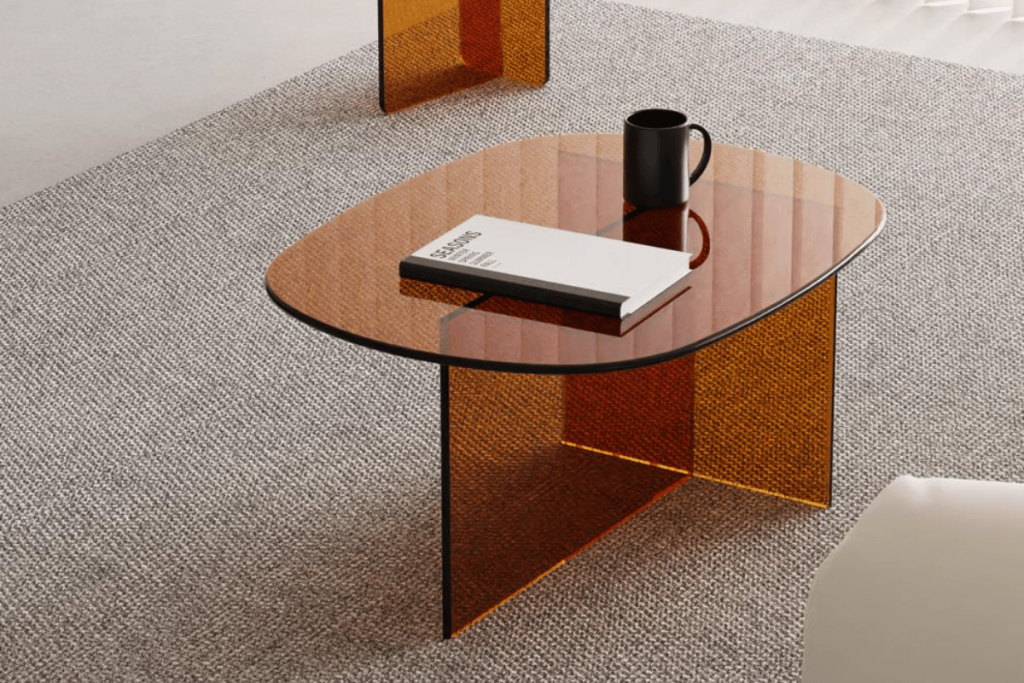
Walk through a furniture showroom and you will notice something interesting. Many products serve similar purposes, use familiar materials and follow comparable design directions. Yet some pieces immediately attract attention, while others blend into the background.
The difference is not always a completely new shape or an unusual material. Often, it comes down to the details.
The profile of a chair back, the shape of a table leg, the way two materials meet, the treatment of an edge or the proportions of a cabinet can all influence how a product is perceived.
These elements may appear minor individually, but together they give furniture its visual character.
For furniture brands and retailers, furniture design details are an important part of creating products that customers can recognise and remember. They help distinguish one product from another, communicate a particular design identity and give familiar furniture categories a more individual appearance.
The challenge is understanding which details genuinely improve a product and how to use them with intention.
1. Design Details Give Familiar Furniture a Distinctive Identity
Not every successful furniture product needs to introduce an entirely new form.
Many strong designs work within familiar categories but use carefully considered details to create something recognisable.
Consider a dining chair. Its basic structure may include a seat, backrest and supporting frame. These are familiar elements, but their treatment can create very different visual outcomes.
A gently curved backrest creates a different impression from a sharply defined geometric one. Tapered legs communicate something different from a solid pedestal base. A visible frame connection can become a design feature rather than something that simply holds the product together.
The same principle applies to cabinets, dining tables, coffee tables and bedroom furniture.
A familiar product category provides a starting point. The details determine how the finished piece expresses its own identity.
For retailers, this matters because customers often compare several products that serve the same purpose. Distinctive details can give a product a recognisable quality beyond its basic function.
2. Silhouettes and Proportions Shape First Impressions
Before customers notice individual details, they usually respond to the overall appearance of a furniture piece.
Its silhouette, proportions and visual balance establish the first impression.
A table with a substantial top and slender base communicates a different design character from one with a solid, sculptural base. A chair with a wide, enveloping backrest feels visually different from one built around a narrow, open frame.
These differences influence how customers interpret the product, even before they examine its materials or construction.
Designers should pay attention to:
Overall silhouette: The outline of the product should communicate its intended design direction.
Visual weight: The relationship between heavier and lighter elements affects how substantial or delicate a piece appears.
Proportions: The relationship between the height, width, depth and individual components contributes to its overall character.
Negative space: Open areas between legs, frames and structural elements can make a design feel lighter or more architectural.
A well-considered silhouette can become one of the most recognisable features of a furniture product. It is often what customers remember when comparing products later.
3. Small Design Features Can Become Signature Elements
Some of the most memorable furniture designs are recognised through one defining feature.
It could be a distinctive leg profile, an unusual backrest, a shaped tabletop edge or a recurring detail that appears across several products.
These features can become signature elements for individual products or even for an entire furniture brand.
For example, a furniture brand might consistently use softly rounded edges, sculpted transitions or a particular approach to frame detailing. Over time, these choices can help establish a recognisable design language.
However, a signature detail should not be introduced simply to make a product look different.
It needs to feel connected to the design direction and contribute to the overall appearance.
A useful way to evaluate a proposed feature is to ask:
- Does it make the product more recognisable?
- Does it complement the overall form?
- Does it feel intentional rather than decorative?
- Does it contribute to the brand's visual identity?
- Would the product lose some of its character without it?
When a detail has a clear purpose, it can become an important part of the product's identity.
4. Material Transitions Add Visual Interest
The way different materials meet can be just as important as the materials themselves.
Furniture often combines wood, metal, glass, ceramic, upholstery and other surfaces. The transitions between these elements create opportunities for more distinctive design expression.
Consider a dining table that combines a wooden structure with a ceramic top. The connection between the two materials, the treatment of the supporting edge and the relationship between the top and base all influence the finished appearance.
Similarly, a chair combining an upholstered seat with a metal frame can feel very different depending on how the frame meets the seat and how visible those connections are.
Good material transitions help create a finished product that feels considered.
Designers should pay attention to:
- How two materials meet visually.
- Whether transitions appear smooth, defined or deliberately contrasted.
- How edges and junctions contribute to the overall form.
- Whether the different surfaces support the same design direction.
- How details are repeated or varied across the product.
These decisions help prevent material combinations from feeling disconnected and allow individual elements to contribute to one complete design.
5. Finishing Details Influence the Perceived Quality of Furniture
Customers do not always understand the technical decisions behind a furniture product, but they often notice the result.
The appearance and feel of edges, surfaces, joints and smaller finishing elements can influence how refined a piece looks.
For example, the edge of a tabletop may appear sharp, softened, rounded or sculpted. Each treatment creates a different visual impression.
Likewise, the way a metal frame is finished, how a handle sits against a cabinet front or how upholstery meets a frame can affect the perceived attention given to the product.
These details are especially important in contemporary furniture design, where relatively simple forms often leave fewer places for visual distractions.
When a design uses minimal decoration, its finishing details become more noticeable.
This means the smallest elements should receive the same design consideration as the more prominent features.
6. Hardware and Functional Components Can Contribute to Design
Hardware is often treated as a purely practical part of furniture, but it can also influence the visual identity of a product.
Handles, hinges, runners, connectors and moving mechanisms may be visible to customers, particularly in cabinets, storage furniture and extending tables.
Their shape, placement and finish can either support or interrupt the overall design.
A cabinet with a clean front, for instance, may benefit from discreet hardware that keeps attention on its overall form. Another design may deliberately use visible handles as a defining visual feature.
Similarly, an extending dining table may need a functional mechanism, but the surrounding design can be developed so that its appearance remains coherent.
The important consideration is how practical components relate to the intended design.
When hardware is considered as part of the overall visual language, rather than an afterthought, it can contribute to a more complete product experience.
7. Consistent Details Help Strengthen Furniture Brand Identity
Design details do not only distinguish individual products. They can also help furniture brands establish a recognisable identity across their wider offering.
Think about the visual elements that make certain furniture brands recognisable. It may be their approach to proportions, recurring shapes, characteristic detailing or a particular combination of visual influences.
These elements can be applied across different product categories without making every product look identical.
For example, a brand might use rounded transitions and softly sculpted edges across its dining, occasional and storage furniture. Each category can maintain its own character while sharing a recognisable design approach.
This creates continuity.
For retailers, a consistent visual identity can make it easier to present different products together and build a more recognisable market position.
The goal is not to repeat the same detail everywhere. It is to establish a design language that can evolve while retaining its underlying character.
8. The Best Details Are Appropriate to the Product and Its Audience
A design detail may look impressive in isolation but still be unsuitable for the intended product.
A dramatic base structure might work well on a statement dining table, but the same approach may not suit a compact occasional table. A highly decorative cabinet handle may complement one design direction while appearing out of place on another.
This is why details should always be considered in context.
The designer needs to understand the product category, intended customer, brand positioning and overall visual direction before deciding which elements deserve emphasis.
For example:
- A premium contemporary collection may benefit from restrained, carefully executed detailing.
- A more expressive furniture range may use distinctive shapes and visible design features.
- A minimalist product may depend on proportions and surface transitions rather than decorative additions.
- A traditional-inspired piece may use familiar detailing interpreted with a more current visual approach.
There is no universal formula for good furniture detailing.
What matters is whether each decision supports the product's intended character and makes sense for the market in which it will be presented.
9. Evaluate the Complete Product, Not Just Individual Details
One common mistake in furniture design is evaluating each detail separately without considering how the elements work together.
A distinctive handle, an interesting base and an unusual edge treatment may all look attractive individually. However, if they compete for attention, the overall product can lose its visual clarity.
Strong design is often about knowing what to emphasise and what to keep understated.
During design reviews, it is useful to consider the product at different levels:
From a distance: Does the overall silhouette have a recognisable character?
At normal viewing distance: Do the main design features work together?
Up close: Are the finishing details and transitions considered?
As part of a retail setting: Does the product maintain its identity alongside other furniture pieces?
This approach helps designers understand how a product will be experienced rather than focusing only on individual decorative elements.
A distinctive furniture product should feel coherent as a whole, with every visible detail contributing to the intended design direction.
How DeepGreen Design Helps Brands Launch Retail-Ready Products
As furniture brands grow, managing suppliers, quality checks and production while adhering to industry requirements can become harder. DeepGreen was created to make this easier and help brands grow confidently.
DeepGreen brings together the capabilities brands need to expand their product ranges through one coordinated system.
White Label Collections
DeepGreen offers more than 30 retail-ready and manufacturing-ready collections that help brands launch products quickly without lengthy development cycles. These collections are designed with commercial performance, manufacturing efficiency and retail success in mind.
For brands looking to expand their product offering, these collections provide an established starting point for introducing new designs to the market.
Design and OEM Studio
With more than 15 years of experience supporting global furniture brands, DeepGreen's Design and OEM Studio helps transform concepts into market-ready products.
Whether developing entirely new products or refining existing ideas, the same disciplined process is followed. Products are engineered with commercial success and manufacturing reliability in mind.
This allows brands to develop their design direction while ensuring that the details contributing to a product's identity are considered as part of its wider development.
Manufacturing+ Supplier Network
DeepGreen provides access to trusted suppliers, diverse capabilities and secured production capacity through one coordinated system.
This simplifies sourcing while improving manufacturing consistency, helping brands manage the different production requirements of their furniture products.
DeepGreen Standard
The DeepGreen Standard governs every stage of development and production. It includes design reviews, prototyping, quality inspections, testing, compliance verification and packaging validation.
The process is designed to reduce risk and improve long-term product performance, helping brands maintain consistent quality as they scale.
By bringing these capabilities together, DeepGreen helps furniture brands connect design development with the practical requirements of manufacturing.
Conclusion: Distinction Lives in the Details
Creating distinctive furniture products does not always require an entirely new design direction.
Sometimes, the difference comes from how familiar elements are interpreted, how proportions are balanced, how materials meet or how a single design feature gives a product its character.
These decisions influence how customers perceive furniture and how easily retailers can differentiate their offering.
For furniture brands, paying attention to design details means looking beyond the obvious features and considering the complete visual experience.
The strongest products are not necessarily the ones with the most details. They are the ones where every detail has a reason to be there.
Frequently Asked Questions
1. Why are design details important in furniture?
Design details help establish a product's visual identity. Elements such as silhouettes, proportions, edges, hardware and material transitions can make furniture more recognisable and distinguish it from competing products.
2. What are examples of distinctive furniture design features?
Examples include sculpted table bases, distinctive chair backrests, shaped tabletop edges, signature handles, visible frame details and carefully designed material transitions.
3. How do furniture design details influence product differentiation?
They give products recognisable characteristics beyond their basic function. Thoughtful detailing can help a retailer offer furniture with a more individual appearance and a clearer connection to its brand identity.
4. What makes contemporary furniture design distinctive?
Contemporary furniture design often uses a considered combination of form, proportions, materials, surface treatments and detailing. Distinction comes from how these elements work together rather than from decoration alone.
5. How can furniture brands create a consistent design identity?
Brands can establish consistency by developing recurring visual principles, such as characteristic silhouettes, proportions, edge treatments or detailing approaches. These principles can be interpreted differently across categories while maintaining a recognisable overall identity.
Let's collaborate on your next product line.
Tell us what you have in mind and we'll make it happen.