Embracing Eco-Packaging: Investing in a Sustainable Future
Deepak Madnani, DeepGreen Design
September 14, 2023
In today's world where environmental awareness is at the forefront of the consumers’ minds, eco-packaging has emerged as an achievable and impactful solution in the furniture manufacturing space. It's not just a trend; it's a commitment to a sustainable future. While transitioning to eco-friendly packaging solutions may come with initial costs and continuous testing, the long-term benefits far outweigh the investment.
1. The Journey Starts with Sustainable Options The journey to eco-packaging begins with the quest for sustainable solutions. Companies are now challenged to find innovative ways to package their products while minimizing their environmental footprint. This can be a daunting task, but it's a mission worth pursuing.
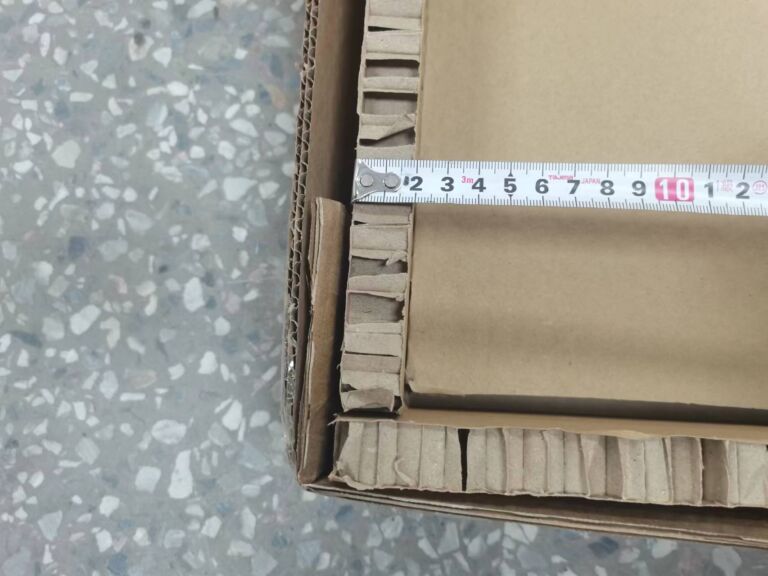
Material Selection: The choice of packaging materials is critical. Businesses need to explore options such as recycled materials, biodegradable plastics, and sustainable alternatives like recyclable paper, bamboo or hemp-based packaging. This shift promotes the responsible use of resources and reduces waste.
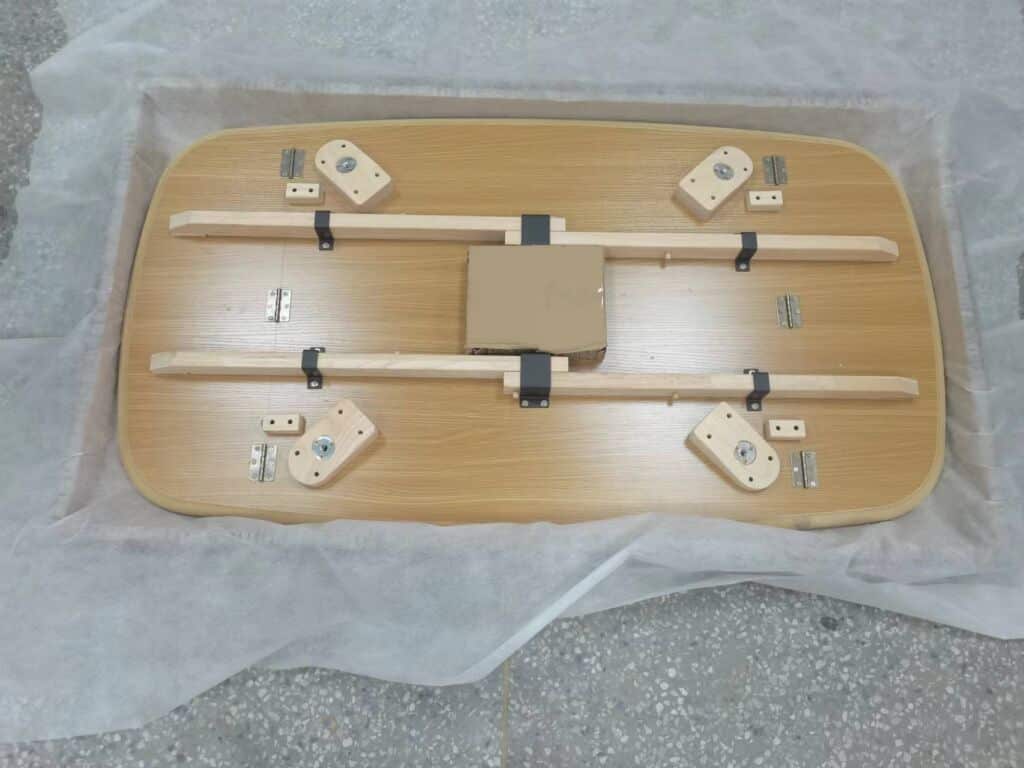
Design for Efficiency: Eco-packaging isn't just about the materials; it's also about the design. Creating packaging that is efficient in size and shape not only reduces material usage but also lowers transportation costs and emissions. Compact, stackable, and lightweight designs are key considerations.
Packaging that's efficient in size and shape also lowers transportation costs and emissions.
2. Navigating the Investment Cost of Continuous Testing Transitioning to eco-packaging isn't without its challenges and costs. Continuous testing is a vital component of this process, ensuring that the new packaging solutions meet quality and safety standards.
Prototyping and Feedback: Businesses often invest in prototyping to test new eco-friendly packaging designs. These prototypes go through rigorous evaluation, gathering feedback from both internal and external stakeholders. This iterative process can be time-consuming and resource intensive.
Compliance and Certification: Eco-packaging must meet various regulations and certifications to ensure its sustainability claims are legitimate. Obtaining these certifications can be costly and time-sensitive but is crucial for credibility.
3. The Wonders of Long-Term Benefits While the journey to eco-packaging may come with initial hurdles, the long-term benefits are truly remarkable.
Environmental Impact: Eco-packaging significantly reduces the environmental impact associated with traditional packaging materials. It minimizes waste, conserves resources, and helps combat issues like plastic pollution.
Boost to Brand Reputation: Commitment to sustainability through eco-packaging enhances a brand's reputation. Consumers are increasingly drawn to environmentally responsible businesses, and this shift can boost brand loyalty.
Cost Efficiency: Over time, eco-packaging can lead to cost savings. Efficient designs and reduced material usage translate into lower production and transportation costs.
Regulatory Compliance: Meeting sustainability standards and regulations not only ensures compliance but also opens doors to new markets and opportunities, especially in regions with stringent environmental policies.
Fostering an Eco Mindset: We have seen changes within the industry, with the regulatory boards and consumers continuously expecting more transparent processes and responsible products. Working on eco-packaging will help your team develop a sustainability mindset for the long-term.
Sustainable packaging helps open doors to markets with strict environmental policies.
Embracing eco-packaging is an investment in a brighter, more sustainable future. While the path may involve initial costs and continuous testing, the long-term benefits are undeniable. It's a win-win scenario, where businesses reduce their environmental footprint, enhance their brand reputation, and even achieve cost efficiencies. In a world that increasingly values sustainability, eco-packaging is not just a choice; it's a necessity for businesses looking to thrive in the years to come.
Let's collaborate on your next product line.
Tell us what you have in mind and we'll make it happen.