
How Quality Manufacturing Reduces After-Sales Issues
Deepak Madnani, DeepGreen Design
May 01, 2026
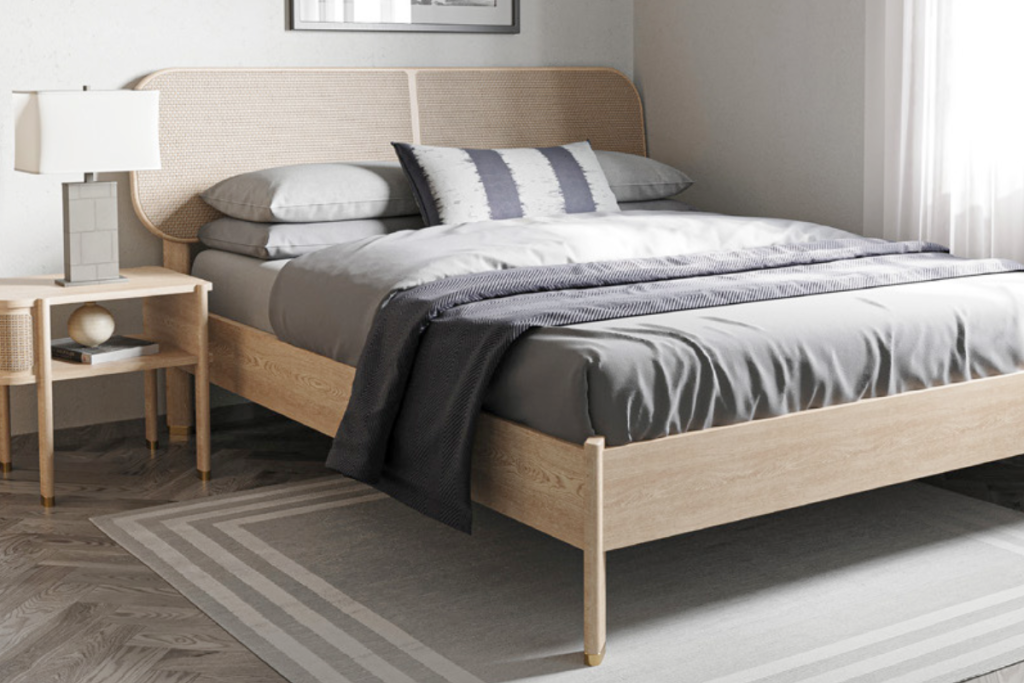
When people buy furniture, they expect it to last, feel safe, and look good for years. But when something goes wrong, it leads to frustration, returns, and extra costs for both the buyer and the brand. This is where quality manufacturing plays a big role. It helps reduce problems before the product even reaches the customer.
In simple terms, better making leads to fewer complaints. When brands focus on strong processes, careful checks, and reliable systems, they can avoid many common after-sales issues with furniture. This not only builds trust but also saves time and money in the long run.
Let us understand how this works in real life and why it matters so much.
Why Quality Manufacturing Matters More Than You Think
Good manufacturing is not just about making products. It is about making them right every single time. When brands follow clear manufacturing standards for furniture, they create products that meet expectations again and again.
This leads to better furniture product quality and fewer chances of damage or defects. It also means customers feel confident in their purchase. When a chair does not wobble or a table does not crack, people notice.
This is where furniture quality control becomes important. It ensures every piece is checked and approved before shipping. A strong furniture inspection process also helps catch small issues early, before they turn into bigger problems.
The Hidden Cost of Poor Quality
When products are not made well, the problems do not stop at the factory. They show up later in the form of complaints, returns, and repairs. These are known as after-sales issues with furniture.
For brands, this often leads to higher furniture warranty claims. It also affects their reputation. Customers may not return if they have a bad experience.
On the other hand, focusing on furniture defect reduction during production helps avoid these issues. When fewer defects leave the factory, there are fewer problems later.
This is why production quality assurance is not just a step. It is a mindset that runs through the entire process.
The Role of Materials and Craftsmanship
The strength of a product starts with what it is made of. Using strong furniture materials ensures that the product can handle daily use.
At the same time, furniture craftsmanship plays a key role. Skilled work ensures that joints are tight, surfaces are smooth, and parts fit well together.
When these two come together, the result is durable furniture that lasts longer and performs better. This reduces the need for repairs and replacements.
It also supports long-lasting furniture, which customers truly value.
How Testing Builds Confidence
Before furniture reaches the customer, it must go through proper furniture testing. This includes checking how much weight it can hold, how stable it is, and how it performs over time.
Furniture durability testing is especially important. It simulates real-life use to make sure the product can handle daily wear and tear.
When brands invest in testing, they reduce the chances of failure after purchase. This directly lowers after-sales issues with furniture and builds trust with buyers.
The Importance of Precision and Assembly
Even the best materials can fail if not put together correctly. This is where precision manufacturing furniture becomes important.
Accurate cutting, fitting, and joining ensure that every part works as it should. It also improves furniture assembly quality, which affects how the product performs in real use.
When assembly is done right, the product feels solid and safe. This leads to low-defect furniture that meets customer expectations.
In the long run, it also reduces furniture warranty claims, saving both time and cost.
How DeepGreen Design Helps Reduce After-Sales Issues
As furniture brands grow, the process behind production becomes more complex. Managing multiple suppliers, timelines, and quality checks at the same time can often lead to confusion. When there is no clear system in place, small mistakes can turn into bigger problems later. This is one of the main reasons why many brands face rising after-sales issues with furniture as they scale.
DeepGreen Design was built to remove this uncertainty and bring structure to every step of the journey. Instead of leaving brands to manage different factories on their own, it creates a connected system where everything works together smoothly. This approach helps brands maintain control, even as they expand into new markets or product categories.
DeepGreen supports this through four strong pillars that guide the entire process from idea to final product.
White-Label Collections
Brands can access more than 30 retail-ready collections that are already prepared for market launch and production. These collections are designed to reduce the time and effort needed to introduce new products. Since they are already aligned with production requirements, brands can move faster without worrying about early-stage errors. Each collection follows a structured approach that supports furniture product quality from the start. This reduces the chances of design flaws and helps avoid future complaints. By starting with a strong base, brands can lower risks and improve consistency across their offerings.
Design and OEM Studio
With over 15 years of experience, DeepGreen’s Design and OEM Studio helps brands turn ideas into production-ready products. Whether a brand has a clear concept or just a rough direction, the team builds it step by step with a defined process. This ensures that every product meets proper manufacturing standards for furniture before moving into production. The studio also focuses on details like usability, structure, and finish, which directly impact long-term performance. By refining designs early, brands can reduce errors and improve overall outcomes, leading to fewer issues after the product reaches customers.
Manufacturing+ Supplier Network
One of the biggest challenges for growing brands is handling multiple suppliers at once. Miscommunication, delays, and inconsistent quality often come from this setup. DeepGreen solves this by offering a single point of contact through its Manufacturing+ Supplier Network. Brands gain access to reliable partners who support reliable furniture production across different product types and materials. This system improves coordination and ensures that everyone follows the same expectations. It also reduces the chances of mistakes during production, which plays a key role in lowering defects and avoiding unnecessary returns.
DeepGreen Standard
At the core of everything is the DeepGreen Standard, a clear and detailed process that covers the entire lifecycle of a product. From early design checks and prototyping to the furniture inspection process and final approval, every stage is carefully monitored. This includes strict furniture quality control measures that ensure each product meets expectations before it leaves the factory. Attention is also given to furniture finishing quality, making sure that the final look and feel are consistent across batches. This level of discipline supports furniture defect reduction and creates products that perform well over time.
By combining these four pillars, DeepGreen Design helps brands build a stable and reliable system for growth. Instead of reacting to problems after they happen, brands can prevent them from the start. This leads to fewer returns, lower furniture warranty claims, and stronger customer trust.
In the long run, this structured approach does more than just reduce problems. It gives brands the confidence to scale without losing control over quality, helping them move from uncertainty to steady and predictable growth.
Key Ways Quality Manufacturing Reduces Problems
- Early checks prevent future complaints
When brands maintain strict furniture quality control, they catch issues early. This stops defective items from moving forward in production. A thorough furniture inspection process ensures each piece is properly checked before shipping. This reduces the chances of customers receiving faulty products. It also lowers the need for returns and repairs later. Over time, this builds confidence in the brand. It also supports furniture defect reduction by solving problems before they grow. Early attention always leads to better results. - Strong materials create dependable products
Using strong furniture materials is one of the simplest ways to avoid problems. When the base is strong, the product can handle daily use without breaking. This leads to durable furniture that lasts longer. Customers appreciate products that stay in good shape over time. It also supports long-lasting furniture, which reduces repeat purchases due to damage. When materials are reliable, brands face fewer complaints. This directly lowers after-sales issues with furniture and improves customer satisfaction. - Testing ensures real-life performance
Proper furniture testing helps brands understand how products behave in daily use. Furniture durability testing checks strength, balance, and wear over time. These tests help identify weak points before products reach customers. Fixing these issues early improves overall furniture product quality. It also ensures that items perform well in different conditions. When products pass testing, they are more reliable. This reduces the number of furniture warranty claims and builds trust with buyers. - Precision improves fit and finish
Precision manufacturing furniture ensures that every part fits correctly. This improves furniture assembly quality and overall strength. When parts align well, the product feels stable and secure. It also improves furniture finishing quality, which affects how the product looks and feels. Customers notice these details and value them. Good precision leads to low-defect furniture that meets expectations. This reduces complaints and increases satisfaction. Over time, it strengthens the brand image. - Clear processes create consistent results
Production quality assurance ensures that every step follows a clear plan. This reduces confusion and improves outcomes. When brands follow proper manufacturing standards for furniture, they get consistent results across batches. This supports reliable furniture production and reduces variation. Consistency is key to customer trust. When people know what to expect, they feel more confident. This also reduces the risk of defects and improves overall performance. - Skilled work enhances product life
Furniture craftsmanship adds value to every product. Skilled workers ensure that each detail is handled carefully. This improves both strength and appearance. When craftsmanship is strong, products last longer and perform better. It also enhances the overall experience for the customer. Good craftsmanship supports durable furniture and reduces the need for repairs. It also lowers furniture warranty claims, helping brands save costs and maintain trust.
Conclusion
Quality manufacturing is the foundation of a successful furniture business. It reduces errors, improves product strength, and ensures customer satisfaction. By focusing on materials, testing, precision, and clear processes, brands can avoid many common problems.
In the end, fewer after-sales issues with furniture mean happier customers and stronger business growth. Investing in quality today leads to better results tomorrow.
If you want to build collections with consistent quality and reliable production, explore the DeepGreen Design furniture catalogue.
Ready to strengthen your production and reduce risks? Contact DeepGreen Design today and start building with confidence.
FAQs
Q1. What are the after-sales issues in furniture?
A1. These are problems customers face after buying, like damage, defects, or poor performance.
Q2. How does quality control help reduce defects?
A2. It checks products during production, helping catch and fix issues early.
Q3. Why is testing important in furniture manufacturing?
A3. Testing ensures products can handle real use and reduces chances of failure.
Q4. What causes high warranty claims in furniture?
A4. Poor materials, weak assembly, and lack of testing often lead to more claims.
Q5. How can brands improve product quality?
A5. By using strong materials, clear processes, and proper production quality assurance.
Let's collaborate on your next product line.
Tell us what you have in mind and we'll make it happen.