
Sideboard Trends 2026: Buyer Preferences & Insights
Deepak Madnani, DeepGreen Design
April 14, 2026
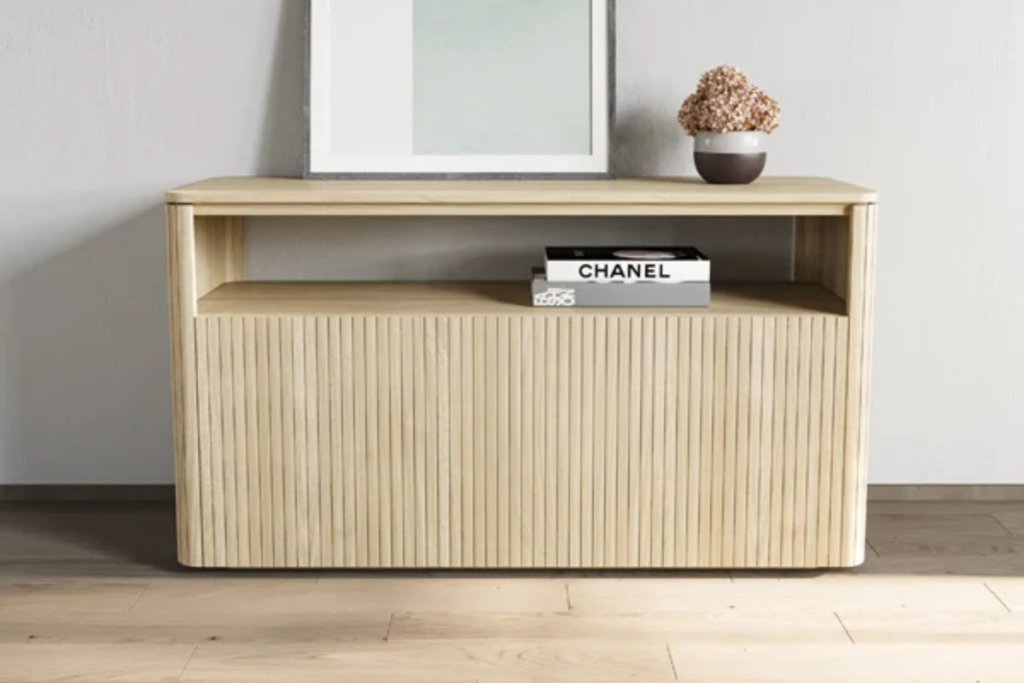
Sideboards are no longer just storage pieces. In 2026, they will become a key part of how homes feel and function. Buyers today want pieces that look good, work well, and fit easily into daily life. From living rooms to dining areas, modern sideboards are now seen as both practical and stylish.
At the same time, businesses involved in furniture manufacturing are paying close attention to changing customer needs. Buyers are asking for designs that feel personal, flexible, and easy to match with different spaces. This shift is shaping how every furniture manufacturer approaches new collections.
The Rise of Minimalism and Clean Design
One clear trend is the love for simplicity. People are choosing minimalist storage furniture that feels calm and uncluttered. Clean lines, soft colors, and smooth finishes are becoming very popular.
This is where contemporary sideboard design plays an important role. It focuses on simple shapes and practical use, without too many extra details. Buyers want furniture that blends into their space while still making a quiet statement.
At the production level, this also affects furniture product development, as brands focus on designs that are easy to produce and scale. Many global furniture supplier networks are now aligning their offerings with these simpler styles.
Natural Materials Are Still Loved
Even as styles change, wooden sideboards continue to be a favorite. Buyers enjoy the warmth and natural feel that wood brings into a space. Lighter tones and soft textures are especially popular in 2026.
This demand also influences the furniture supply chain, where sourcing the right materials becomes very important. Smooth coordination in furniture sourcing ensures consistency in finish and quality.
For brands working with a furniture export manufacturer, maintaining material consistency across markets is key. This is where strong planning in furniture production makes a real difference.
Smart Storage for Real Homes
Storage needs are changing. People want furniture that helps them stay organized without taking up too much space. This is why modern storage cabinets and sideboards with smart compartments are gaining attention.
Designers are focusing more on how people actually use their furniture every day. This shift is shaping sideboard furniture design, making it more thoughtful and user-friendly.
From a business view, contract furniture manufacturing is adapting to these needs by creating pieces that work well across different spaces like homes, offices, and hospitality settings.
A Blend of Style Influences
Buyers are mixing styles more than ever. Scandinavian sideboards with light wood and simple forms remain popular, but they are often combined with bold accents or unique finishes.
At the same time, designer sideboards are gaining attention for their creative look. These pieces allow brands to stand out in a crowded market.
To support this, many businesses are turning to OEM furniture solutions to develop unique designs while maintaining consistency. Others are using white-label furniture to quickly bring ready-made collections to market.
How DeepGreen Design Supports Growing Brands
As furniture brands scale, complexity in sourcing, production, and quality control often increases. DeepGreen Design addresses this by creating a structured system that reduces uncertainty and helps brands grow with clarity and control.
With over 15 years of industry experience and a proven track record of building best-selling collections, DeepGreen combines design expertise with reliable manufacturing to support consistent brand growth.
White-Label Collections
Brands can choose from 30+ exclusive, retail-ready collections that are already optimized for manufacturing. These collections eliminate design and development time, reducing go-to-market timelines significantly while staying priced for high-volume commercial success. This allows brands to launch faster without compromising on quality or design appeal.
Design and OEM Studio
Backed by 15+ years of global product development experience, the Design and OEM Studio supports brands from concept to production. Whether working from moodboards or existing designs, products are developed quickly and efficiently. This reduces development cycles and ensures that every piece meets consistent safety and finish standards, helping brands respond faster to market demand.
Manufacturing+ Supplier Network
DeepGreen provides access to a curated network of trusted suppliers and production units through a single point of contact. This approach improves coordination, reduces communication gaps, and increases production reliability. Brands benefit from scalable capacity, diverse material options, and smoother execution across bulk orders.
DeepGreen Standard
A comprehensive quality and compliance system governs the entire product lifecycle, from design validation and prototyping to final inspection. This disciplined approach delivers an industry-low after-sales issue rate of less than 1 percent and ensures a 100 percent compliance pass rate across production. These results help brands reduce risk, protect their reputation, and scale with confidence in global markets.
By combining speed, structure, and measurable reliability, DeepGreen Design enables brands to move from fragmented supply chains to a more efficient, scalable, and performance-driven growth model.
Key Buyer Expectations in 2026
- Buyers want modern sideboards that feel simple but still stand out in a room. They prefer clean shapes, soft finishes, and easy-to-use storage features. Many customers are now drawn to minimalist storage furniture because it helps keep their homes calm and organized. This trend is influencing how brands approach sideboard furniture design. At the same time, businesses working with a bulk furniture supplier are focusing on designs that can scale easily. This helps meet demand without losing consistency. Strong planning in furniture manufacturing also ensures that these designs reach the market smoothly.
- There is a strong demand for natural finishes, especially in wooden sideboards. Buyers enjoy furniture that feels warm and real. This has pushed brands to improve their furniture sourcing strategies to find the right materials. Working with a reliable furniture export manufacturer helps maintain quality across different markets. Many brands also depend on a trusted global furniture supplier to manage supply across regions. This creates a smoother furniture supply chain, which is important for timely delivery and consistent product quality.
- Flexibility is becoming more important than ever. Buyers want furniture that works in small apartments as well as larger homes. This is why modern storage cabinets are designed with smart compartments and multi-use features. Brands working in contract furniture manufacturing are focusing on this flexibility to serve different spaces. At the same time, a strong furniture factory setup helps produce these designs at scale. This balance between design and production is key in today’s market.
- Style mixing is a big trend. Customers are combining Scandinavian sideboards with bold or artistic elements to create a unique look. This has increased the demand for designer sideboards that feel different from standard products. To support this, many brands use white-label furniture to launch collections quickly. Others choose private-label furniture to adjust designs based on their brand identity. This approach also supports faster furniture product development, helping brands stay relevant in a fast-changing market.
- Speed to market is now a top priority. Buyers expect new collections regularly, and brands need to respond quickly. This is where OEM furniture plays a key role in bringing ideas to life faster. Working with an experienced furniture manufacturer ensures that designs move smoothly from concept to production. At the same time, efficient furniture production planning reduces delays. Many brands also rely on a bulk furniture supplier to meet large order needs without compromising on quality or timelines.
Conclusion
Sideboard trends in 2026 are shaped by simplicity, smart storage, and flexible design. Buyers want furniture that fits their real lives while still reflecting their personal style. For brands, this means balancing design, speed, and reliable production.
DeepGreen Design helps make this balance easier by bringing structure, clarity, and scale to the entire process.
Explore our Furniture Catalogue.
Contact us to grow your furniture brand with confidence.
FAQs
Q1. What are the most popular sideboard styles in 2026?
A1. Simple and clean styles like modern sideboards and Scandinavian-inspired designs are very popular this year.
Q2. Why is minimalist storage furniture trending?
A2. It helps keep spaces neat and calm, which many people now prefer in their daily living environment.
Q3. How do brands manage large furniture orders?
A3. Many brands work with a bulk furniture supplier and strong supply systems to handle large-scale production smoothly.
Q4. What role does OEM furniture play for brands?
A4. OEM furniture helps brands develop and produce designs efficiently while maintaining quality and consistency.
Q5. How can brands scale their furniture collections faster?
A5. Using white-label furniture and private-label furniture allows brands to launch products quickly with less delay.
Let's collaborate on your next product line.
Tell us what you have in mind and we'll make it happen.