
How to Turn Furniture Design Concepts Into Products That Stand Out in Retail
Deepak Madnani, DeepGreen Design
Nov 04, 2026
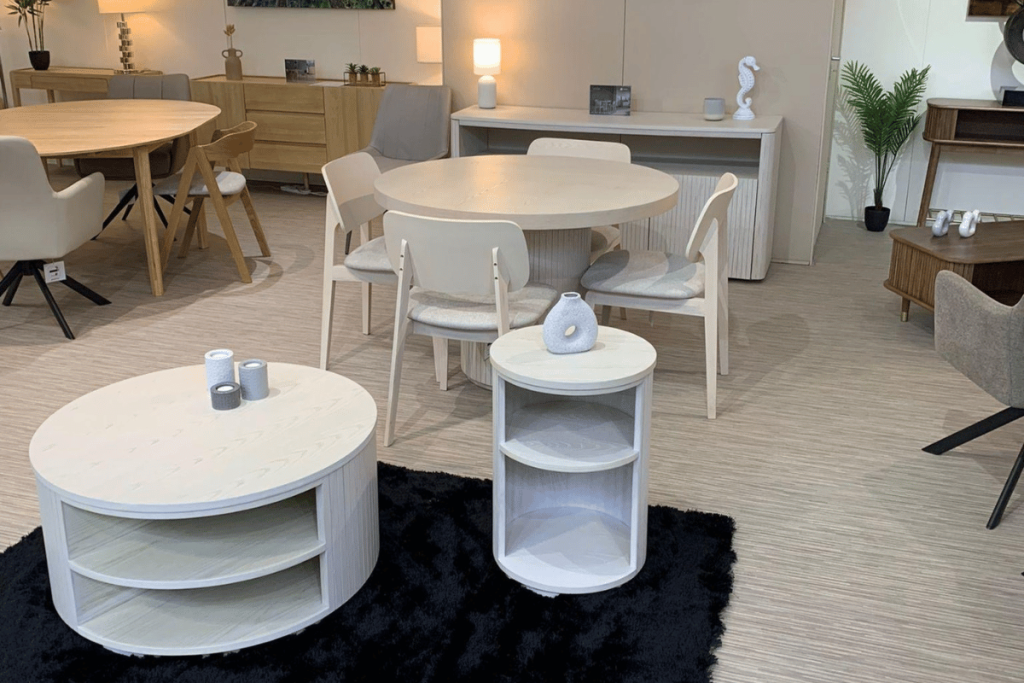
The furniture market is filled with products that share similar shapes, materials, colours and design influences. For retailers, introducing another attractive dining table, occasional chair or storage unit is not necessarily enough to capture attention.
The real opportunity lies in developing products that give customers a reason to notice, remember and choose them.
This is where furniture design development becomes important.
A furniture concept may begin with a sketch, a visual reference, a material combination or an observation about changing customer preferences. But turning that initial idea into a product that stands out in retail requires a much broader perspective.
The design needs a clear direction. Its distinctive features should be intentional rather than decorative additions. It should communicate a recognisable identity and fit naturally within the retailer's wider brand positioning.
For furniture brands, the challenge is not simply to create something different. It is to create something distinctive that has a meaningful place in the market.
1. Start With an Idea That Has a Clear Design Direction
Every distinctive furniture product begins with an idea, but not every idea develops into a strong product.
Before exploring shapes, finishes or visual details, it is important to understand what the concept is trying to communicate.
Is the product intended to feel architectural and contemporary? Does it take inspiration from natural forms? Is its appeal based on understated detailing, sculptural proportions or a particular combination of design influences?
A clear design direction gives the development process a purpose.
For example, imagine a concept for an occasional table. The initial idea might be to create a piece that feels visually light despite having a substantial tabletop. That direction could influence the silhouette, leg arrangement, proportions and relationship between the different elements.
Without a defined direction, the design can become a collection of unrelated visual decisions. With one, each decision contributes to the same overall idea.
For retailers, this clarity is valuable because it helps establish what makes a product recognisable before it enters the market.
2. Look for Opportunities Beyond Existing Market Designs
Furniture designers naturally draw inspiration from existing products, architecture, interiors, materials and cultural influences. Inspiration is an important part of the creative process, but simply following what is already available rarely creates a memorable retail offering.
The opportunity is to identify what could be interpreted differently.
A familiar furniture category may offer room for a new design approach through its proportions, visual balance, detailing or intended use.
For instance, a conventional sideboard could be reimagined through an unexpected front profile, a distinctive arrangement of panels or a more architectural relationship between its body and base.
The category remains familiar, but the visual experience becomes more individual.
This requires looking at the market with a critical eye:
- Which design features appear repeatedly across competing products?
- Are there visual conventions that could be approached differently?
- What details could make the product more recognisable?
- Is there an opportunity to bring a fresh perspective to a familiar category?
- Would the proposed direction make sense for the intended customer?
The objective is not to make every product unconventional. It is to identify meaningful opportunities for differentiation within a category customers already understand.
3. Give the Product a Recognisable Design Signature
A product that stands out often has one or two defining characteristics that make it memorable.
These could include a distinctive silhouette, an unusual base structure, a particular edge treatment, an identifiable handle design or a recurring visual detail.
The important point is that these features should feel intentional.
Consider a dining chair. Its overall shape may be relatively familiar, but a distinctive backrest profile or carefully developed transition between the seat and frame could give it a recognisable character.
Similarly, an occasional table might become more identifiable through the relationship between its top and base rather than through additional decorative elements.
A strong design signature should:
Be easy to recognise: The product should have a visual characteristic that distinguishes it from similar offerings.
Feel connected to the concept: Its defining feature should support the original design direction.
Work within the product: The detail should feel like a natural part of the design rather than an unnecessary addition.
Support brand identity: Over time, recognisable design details can help a furniture brand develop a more consistent visual presence in the market.
When these elements come together, a product can have its own identity without relying on excessive detailing.
4. Understand the Customer's Visual Expectations
A product does not exist in isolation. It is introduced to a customer who already has preferences, expectations and ideas about what furniture should look like.
This is why furniture concept development needs to consider the intended audience.
A retailer serving customers who prefer understated contemporary interiors may respond differently to a product with strong sculptural detailing than a retailer targeting customers who favour more expressive statement pieces.
Neither direction is inherently better. The important question is whether the design communicates the right message to its intended audience.
Designers and product teams should consider:
- The interior styles relevant to the target customer.
- The level of visual expression expected within the category.
- The balance between familiar design language and distinctive features.
- The customer's likely expectations of the product.
- How the product will be perceived alongside competing offerings.
Understanding these expectations helps prevent a common design mistake: creating a product that appeals strongly to the design team but has little connection to the retailer's intended market.
5. Make the Product Distinctive Without Making It Difficult to Understand
There is a difference between a product that is distinctive and one that is visually complicated.
Adding more details does not automatically make furniture more interesting. In some cases, excessive detailing can weaken the overall design and make the product harder to understand.
The strongest concepts often use a relatively focused visual idea and develop it consistently.
For example, a dining table could be distinguished through a sculptural base. That feature may provide enough visual interest without requiring additional decorative elements across the tabletop, edges and supporting structure.
The same principle applies to storage furniture, occasional tables, chairs and bedroom products.
A useful question during design development is:
If the product were presented without its surrounding styling, would its design still be recognisable?
If the answer is yes, the product may have a strong visual identity of its own.
This is particularly relevant in retail environments where customers often compare several similar products. A clear design signature can help a product attract attention without depending entirely on photography or showroom presentation.
6. Translate Design Inspiration Into a Consistent Product Experience
A design concept should communicate more than a single visual feature. Its character should be evident across the overall product.
This involves considering the relationship between the silhouette, detailing, proportions, finishes and smaller design elements.
For example, a product inspired by architectural forms might use clean geometry, defined edges and a strong sense of visual structure. If its smaller details follow the same direction, the result feels considered.
If those details introduce unrelated styles or visual treatments, the original concept may become less clear.
This is why design reviews should look at the complete product rather than evaluating each feature independently.
The aim is to create a consistent experience in which the individual design decisions reinforce one another.
For furniture brands, this can also help create a more recognisable identity across future product introductions. A considered design approach can provide a foundation for developing products that feel connected to the brand without making every item look the same.
7. Think About How the Product Will Be Presented in Retail
The way furniture is introduced to customers can influence how its design is understood.
A product displayed in a showroom, featured in a catalogue or presented on an e-commerce website needs to communicate its visual character clearly.
This is particularly important for products with distinctive design details.
A sculptural chair, for example, may have a defining backrest profile that is difficult to appreciate from a single front-facing image. A table may have an unusual base arrangement that becomes more apparent when viewed from different angles.
Retail presentation should therefore help customers understand what makes the product different.
Consider the following:
Product photography: Images should reveal the features that distinguish the design, rather than hiding them through unsuitable angles or excessive styling.
Room settings: Contextual presentation can help customers understand how the product relates to different interior environments.
Product descriptions: The language should communicate the design idea and defining features clearly.
Visual consistency: Product imagery and presentation should support the brand's intended design direction.
When the design and its presentation work together, the product has a better opportunity to communicate its value to potential customers.
8. Evaluate Whether the Concept Adds Something to the Retail Offering
A product can be visually appealing and still have limited value if it does not contribute meaningfully to the retailer's offering.
Before moving forward with a concept, brands should consider what it brings to the market and why it deserves a place in the range.
This evaluation should go beyond asking whether the design looks good.
Useful questions include:
- Does the concept offer a recognisable point of difference?
- Is it relevant to the retailer's target customer?
- Does it introduce a visual direction that is currently missing?
- Can the retailer communicate its appeal clearly?
- Does it strengthen the brand's overall product identity?
- Is there a clear reason to introduce this product rather than another similar option?
These questions help distinguish between concepts that are simply attractive and those that have a stronger commercial purpose.
The objective is to develop products that contribute something meaningful to the retailer's market position rather than adding another item with no clear identity.
How DeepGreen Design Helps Brands Launch Retail-Ready Products
As furniture brands grow, managing suppliers, quality checks and production while adhering to industry requirements can become harder. DeepGreen was created to make this easier and help brands grow confidently.
DeepGreen brings together the capabilities brands need to expand their product ranges through one coordinated system.
White Label Collections
DeepGreen offers more than 30 retail-ready and manufacturing-ready collections that help brands launch products quickly without lengthy development cycles. These collections are designed with commercial performance, manufacturing efficiency and retail success in mind.
For brands exploring new design directions, these collections provide an established starting point for introducing products into their retail offering.
Design and OEM Studio
With more than 15 years of experience supporting global furniture brands, DeepGreen's Design and OEM Studio helps transform concepts into market-ready products.
Whether developing entirely new products or refining existing ideas, the same disciplined process is followed. Products are engineered with commercial success and manufacturing reliability in mind.
This helps brands translate their design direction into products that reflect their intended identity while meeting practical development requirements.
Manufacturing+ Supplier Network
DeepGreen provides access to trusted suppliers, diverse capabilities and secured production capacity through one coordinated system.
This simplifies sourcing while improving manufacturing consistency, helping brands manage the production requirements of their product ranges.
DeepGreen Standard
The DeepGreen Standard governs every stage of development and production. It includes design reviews, prototyping, quality inspections, testing, compliance verification and packaging validation.
The process is designed to reduce risk and improve long-term product performance, helping brands maintain consistent quality as they scale.
By bringing these capabilities together, DeepGreen helps furniture brands connect design concepts with product development and manufacturing through one coordinated approach.
Conclusion: Distinctive Furniture Starts With a Stronger Design Idea
Creating furniture that stands out in retail is not simply about introducing unusual shapes or following the latest design influences.
It begins with understanding what the product should communicate, identifying opportunities within its category and developing a recognisable design identity.
The strongest concepts bring together creative direction, customer relevance and a clear reason for existing in the market.
For furniture brands, this means looking beyond the initial sketch and asking what makes the product memorable, how it supports the brand and why customers would choose it.
A distinctive product is not created through decoration alone. It is the result of a clear idea developed with purpose.
Frequently Asked Questions
1. What is furniture design development?
Furniture design development is the process of turning an initial design idea into a defined product concept. It involves establishing the design direction, exploring visual characteristics, understanding the intended customer and developing the product towards market readiness.
2. How can furniture brands make their products stand out in retail?
Brands can create more distinctive products through recognisable design signatures, considered proportions, relevant design influences and a clear connection to their target customers. Effective retail presentation also helps communicate the product's defining features.
3. What makes a furniture design concept commercially relevant?
A commercially relevant concept connects its visual appeal with customer preferences, market positioning and the retailer's brand identity. It should offer a clear reason for customers to consider it alongside competing products.
4. Why is product differentiation important in furniture retail?
Product differentiation helps retailers offer products with recognisable characteristics rather than relying entirely on similarities with existing market offerings. It can strengthen brand identity and give customers clearer reasons to choose one product over another.
5. How can a furniture design and OEM partner help develop new concepts?
A design and OEM partner can help furniture brands translate initial ideas into market-ready products. This includes design development, refining concepts, engineering, prototyping and coordinating the requirements needed for manufacturing.
Let's collaborate on your next product line.
Tell us what you have in mind and we'll make it happen.