
Why Furniture Design Fails Without Development Engineering
Deepak Madnani, DeepGreen Design
Oct 07, 2026
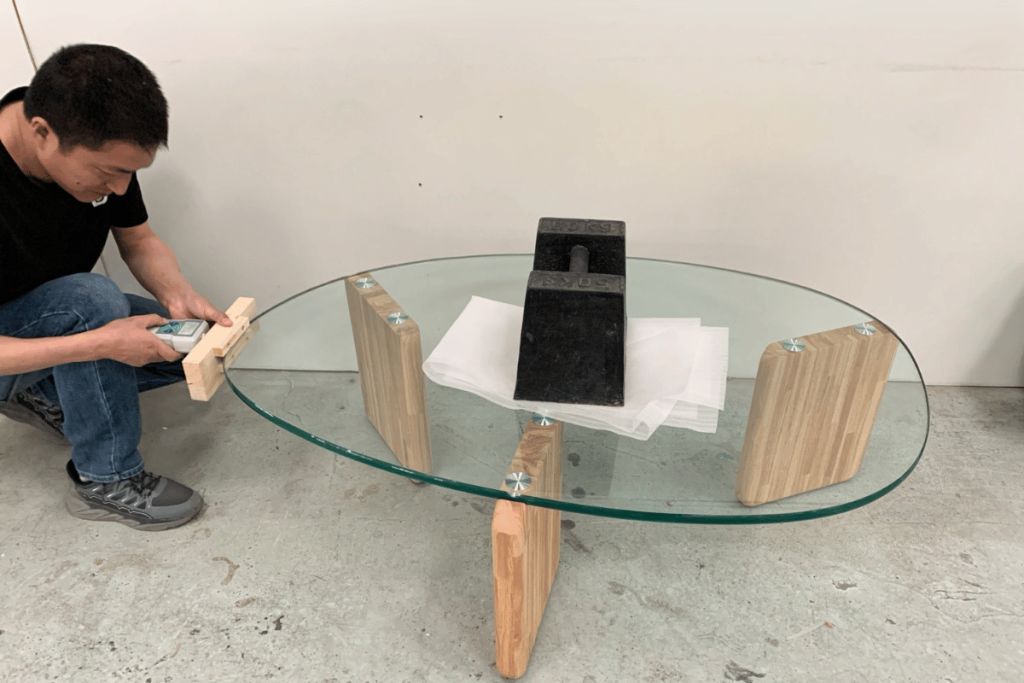
A furniture design can look exceptional on paper, in a 3D render or even as a presentation model. The proportions may feel right, the materials may complement each other, and the overall appearance may fit perfectly within a brand's collection direction.
But a promising design does not automatically become a successful furniture product.
Between the initial concept and the finished piece lies a critical stage that often determines whether the product can be manufactured efficiently, perform as intended and maintain consistency across production. This is development engineering.
Without it, even well-designed furniture can encounter structural problems, complicated assembly requirements, material incompatibilities, unexpected production costs and difficulties during manufacturing. What begins as a small design oversight can eventually become a much larger commercial issue.
For furniture brands, retailers and product developers, understanding the role of development engineering is essential. It is not simply about making a design technically possible. It is about ensuring that the original design intent can translate into a practical, reliable and commercially viable product.
A Good Design Is Not Always a Manufacturable Design
One of the biggest misconceptions in furniture development is that if a product looks good, it should be relatively straightforward to manufacture.
In reality, visual design and manufacturing requirements involve different considerations.
A designer may propose a distinctive table base, an unusual chair structure or a combination of materials that creates a strong visual impression. However, the manufacturing team must consider how those elements will be constructed, joined, finished and assembled.
For example, a dining table with a visually striking base may look balanced in a render. But once the dimensions, material thickness, weight distribution and connection points are evaluated, the design may require adjustments to achieve the necessary stability.
Similarly, a cabinet with minimal visible hardware may create a clean aesthetic, but its door mechanisms, internal fittings and assembly requirements need to be carefully considered.
This is where development engineering becomes important. It connects the creative direction with the practical requirements of manufacturing, helping identify potential problems before they reach the production floor.
1. Structural Problems Can Undermine the Entire Product
Furniture needs to do more than look attractive. It must support weight, withstand regular use and perform reliably throughout its intended lifespan.
Structural engineering plays an important role in determining whether a product can meet these expectations.
Consider a dining chair. Its appearance may depend on slim legs, a curved backrest and a lightweight frame. However, those design decisions must work alongside the structural requirements of the chair. The frame, joints, support points and material thickness all influence its strength and stability.
Without proper engineering, a design may experience problems such as weak connection points, excessive movement, instability or premature wear.
The same applies to extending dining tables, storage furniture and products involving moving components. Their construction must account for the forces and movements they will experience during everyday use.
Development engineering helps evaluate these requirements and identify where structural improvements may be necessary without unnecessarily compromising the intended appearance.
2. Material Selection Needs Engineering Consideration
Materials influence the appearance, performance and manufacturing requirements of a furniture product.
However, selecting materials based purely on their visual appeal can create problems later in development.
Different materials behave differently during manufacturing and everyday use. Solid wood can respond to changes in temperature and humidity. Veneers require suitable substrates and application methods. Glass needs appropriate support and connection systems. Metal components require consideration of thickness, finishing and joining methods.
Mixed-material furniture introduces another level of complexity.
For example, a product combining wood, metal and glass needs each material to work with the others. Their physical characteristics, connection methods and finishing requirements must be considered together.
A material combination that looks excellent in a concept presentation may require a different construction approach to achieve the intended result.
Development engineering helps determine whether the selected materials are appropriate for the product, how they should be integrated and whether alternative construction methods could improve manufacturability.
This is particularly important for furniture brands developing distinctive products where material combinations contribute significantly to the overall design identity.
3. Small Design Details Can Create Major Production Challenges
Sometimes, the biggest manufacturing difficulties come from details that appear insignificant during the early design stage.
A particular edge profile, an unusually positioned joint, a complicated curve or a concealed connection may seem like a minor design feature. However, these details can affect tooling requirements, machining time, assembly processes and production consistency.
When a product moves into manufacturing, every component needs to be understood in terms of its dimensions, tolerances and relationship with other parts.
If these details are not properly defined, different production teams may interpret the design differently. This can result in inconsistent components, difficult assembly or unnecessary adjustments during production.
Technical drawings, component specifications, construction details and clear assembly requirements help reduce this uncertainty.
The objective is not to remove every distinctive feature from a design. It is to understand how those features can be produced reliably and repeatedly.
4. Poor Engineering Can Increase Manufacturing Costs
A product may initially appear commercially attractive based on its estimated factory cost. However, if the design has not been properly engineered, the actual cost of manufacturing can be considerably different.
Complicated construction methods, excessive component variations, difficult assembly procedures and unnecessary material waste can all affect production efficiency.
For example, a product with too many individually manufactured components may require additional handling and assembly time. A complicated joint may require specialised equipment or additional production steps. A poorly planned construction method may also lead to higher material wastage.
These costs are not always obvious during the concept stage.
Development engineering helps identify opportunities to simplify construction, improve component efficiency and make better use of materials.
This does not mean every product should be designed around the lowest possible manufacturing cost. The objective is to understand the relationship between design decisions, production requirements and the intended commercial positioning.
A well-engineered product should achieve its design objectives without introducing unnecessary manufacturing complexity.
5. Assembly and Packaging Must Be Considered Early
Furniture development does not end when the product has been manufactured.
The product also needs to be assembled, handled, stored, packaged and transported before reaching its final destination.
These considerations can significantly influence the way a product should be engineered.
For example, a large dining table may require a construction approach that allows its components to be separated for more efficient transportation. A storage unit may need to be designed around practical assembly requirements. A product with fragile components may require specific protection during handling and packaging.
If these requirements are considered too late, the development team may need to revisit the construction, component dimensions or packaging arrangement.
Planning for assembly and transportation early in development can help avoid unnecessary complications further down the process.
For furniture brands selling through retail networks or supplying international markets, these details are particularly important because the product must work across multiple stages of the supply chain.
6. Engineering Makes Consistent Production Possible
Developing one successful prototype is only part of the process.
The real challenge is ensuring that the same product can be manufactured repeatedly, with consistent dimensions, construction and finishing across production batches.
This requires more than an approved design. It requires a clear technical foundation that manufacturing teams can follow.
Engineering documentation, component specifications, material requirements, production methods and defined tolerances help establish that foundation.
When these details are properly developed, manufacturers have a clearer understanding of what needs to be produced and how individual components should fit together.
This is especially important when production involves multiple manufacturing locations or different production teams. A shared technical understanding helps maintain consistency even when manufacturing requirements become more complex.
Development engineering therefore contributes not only to the first production run but also to the product's long-term manufacturing reliability.
How DeepGreen Design Helps Brands Launch Retail-Ready Products
As furniture brands grow, managing product development, suppliers, quality checks, manufacturing and compliance requirements becomes increasingly complex. Coordinating these activities across different teams and production locations can make it harder to maintain consistency while expanding a product range.
DeepGreen Design brings these capabilities together through one coordinated system, helping furniture brands develop and launch products with greater confidence. The approach connects design, engineering, manufacturing and quality processes so that products are considered beyond their initial appearance and prepared for real retail and production requirements.
White Label Collections
DeepGreen offers more than 30 retail-ready and manufacturing-ready collections that help brands introduce new products without going through lengthy development cycles for every item.
These collections are designed with commercial performance, manufacturing efficiency and retail success in mind. They give brands an opportunity to expand their product offering while focusing their development resources on other areas of growth.
Design and OEM Studio
With more than 15 years of experience supporting global furniture brands, DeepGreen's Design and OEM Studio helps transform product concepts into market-ready designs.
Whether developing entirely new products or refining existing ideas, the same disciplined approach is applied to every project. Design decisions are considered alongside construction methods, material requirements, engineering details and manufacturing capabilities.
This helps ensure that products are developed with both commercial objectives and manufacturing reliability in mind.
Manufacturing+ Supplier Network
DeepGreen's Manufacturing+ Supplier Network provides brands with access to trusted suppliers, diverse manufacturing capabilities and secured production capacity through one coordinated system.
This helps simplify sourcing and reduces the complexity of coordinating different manufacturing partners. It also supports greater consistency by connecting product requirements with suitable manufacturing capabilities.
For furniture brands looking to expand their product ranges or production requirements, having access to an established supplier network can make the process more manageable.
DeepGreen Standard
The DeepGreen Standard governs every stage of product development and production.
From design reviews and prototyping to quality inspections, testing, compliance verification and packaging validation, the process is designed to identify potential issues and reduce manufacturing and delivery risks.
This structured approach helps ensure that products are evaluated beyond their initial design and that important requirements are considered throughout development and production.
For growing furniture brands, this provides a stronger foundation for maintaining consistent product standards as their business scales.
Conclusion: Great Furniture Needs Both Design and Engineering
Furniture design creates the initial vision. Development engineering determines how effectively that vision can become a real product.
Without proper engineering, visually impressive concepts can encounter structural limitations, material complications, production inefficiencies and avoidable manufacturing costs.
The strongest furniture products are developed when design and engineering work together from the beginning. Every material, joint, dimension and construction decision contributes to the final outcome.
For furniture brands looking to develop distinctive products and build successful collections, engineering should never be treated as a final technical check. It should be an integral part of the development process.
Because a great furniture design is not simply one that looks right. It is one that can be made right, consistently and commercially.
Frequently Asked Questions
1. What is development engineering in furniture manufacturing?
Development engineering is the process of translating a furniture concept into a technically defined product that can be manufactured. It involves evaluating construction methods, structural requirements, materials, dimensions, component details and assembly processes.
2. Why is engineering important in furniture design?
Engineering helps ensure that a furniture product is structurally suitable, practical to manufacture and capable of performing as intended. It also helps identify potential production challenges before they become costly problems.
3. At what stage should development engineering begin?
Development engineering should begin during the early stages of product development, alongside the design process. Introducing engineering considerations early makes it easier to address construction, materials and manufacturing requirements before the design becomes difficult or expensive to change.
4. Can a furniture design be visually successful but fail during manufacturing?
Yes. A design may look excellent in a render or prototype but encounter difficulties during production because of structural limitations, material incompatibilities, complicated construction methods or inefficient assembly requirements.
5. How can furniture brands reduce development problems?
Furniture brands can reduce development problems by involving engineering expertise early, defining product requirements clearly, evaluating materials and construction methods, preparing detailed technical documentation and considering manufacturing, assembly and transportation requirements before production begins.
Let's collaborate on your next product line.
Tell us what you have in mind and we'll make it happen.